
What Feeding Therapy Looks Like
Helping children feel safer, more comfortable, and more confident with foodMany parents hear “feeding therapy” and imagine pressure, strict rules, or someone trying to force their child to eat.
That’s not what feeding therapy is.
Feeding therapy is about understanding why eating feels hard for a child and building the skills, comfort, and trust needed for progress — at a pace that feels safe.
First: Feeding Therapy Is Not About Forcing Food
A good feeding therapist does not make children take bites they are not ready for.
Instead, therapy focuses on:
✔ Reducing fear
✔ Building oral motor skills
✔ Supporting sensory comfort
✔ Creating positive food experiences
✔ Helping families feel more confident
The goal is long-term success, not short-term compliance.
Who Provides Feeding Therapy?
Feeding therapy may be provided by:
Speech-language pathologists (SLPs)
Occupational therapists (OTs)
Both have specialized training in feeding and swallowing.
Some children also work with:
Pediatricians
Dietitians
Mental health professionals
Feeding challenges are often best supported with a team approach.
What Happens During an Evaluation?
The first visit is usually focused on understanding your child.
The therapist will:
Ask about your child’s medical history
Talk about favorite and refused foods
Observe your child eating
Look at chewing, tongue movement, and posture
Ask about gagging, coughing, or stress at meals
Discuss your goals and concerns
You are a key part of the evaluation. Your observations matter.
What a Typical Therapy Session Might Look Like
Feeding therapy often looks more like play and exploration than a formal “lesson.”
A session may include:
Food Exploration
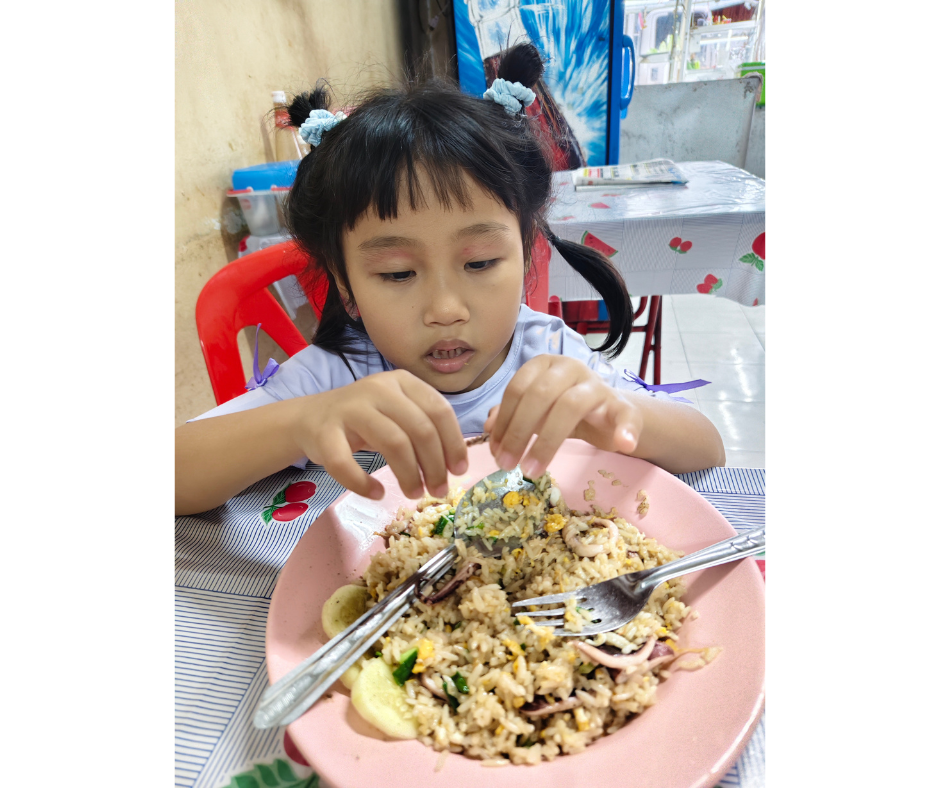
Children might:
Touch food
Smell food
Play with food textures
Move food around the plate
This helps the nervous system learn that food is safe.
Sensory Support

Therapists may work on helping a child feel more comfortable with different sensations by:
Gradual exposure to textures
Building tolerance step by step
Using calming strategies
Oral Motor Skill Development
If chewing or mouth coordination is challenging, therapists may focus on:
Jaw strength
Tongue movement
Lip closure
Safe chewing pattern
These skills are built slowly and safely.

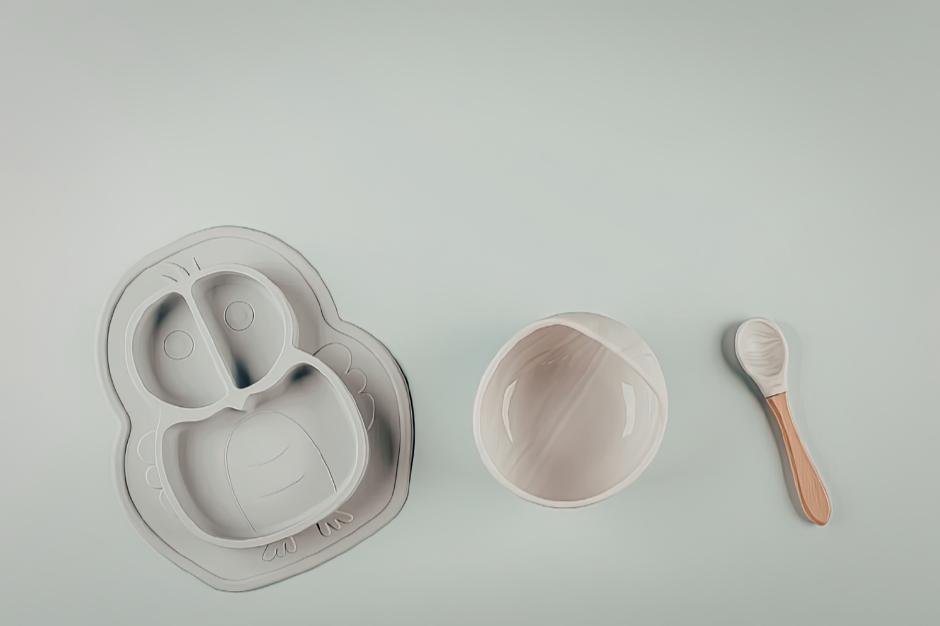
Positioning & Environment
Therapists may adjust:
Seating
Plate setup
Utensils
Mealtime structure
Small changes can make eating feel easier.
Parent Coaching Is a Big Part of Therapy
Feeding therapy isn’t just for the child — it supports caregivers too.
Therapists often help parents:
Understand what their child’s behaviors mean
Learn how to respond calmly
Reduce mealtime pressure
Create supportive routines
Offer new foods in a low-stress way
You don’t have to figure this out alone.
How Long Does Feeding Therapy Take?
Every child is different.
Progress depends on:
Underlying challenges
Comfort with food
Skill development
Medical history
Some children need short-term support. Others benefit from longer therapy. Progress is often gradual, and small steps matter.
What Progress Might Look Like
Progress doesn’t always mean “eating more” right away.
It may look like:
Sitting at the table longer
Tolerating food on the plate
Touching a new food
Reduced gagging
Less stress at meals
Trying small tastes
These are important milestones.

When Feeding Therapy Is Especially Helpful
Feeding therapy may be beneficial if a child:
Has very limited food variety
Gags frequently
Struggles to chew
Has a history of tube feeding
Shows strong sensory reactions
Has mealtime stress or fear
Early support can make a big difference.