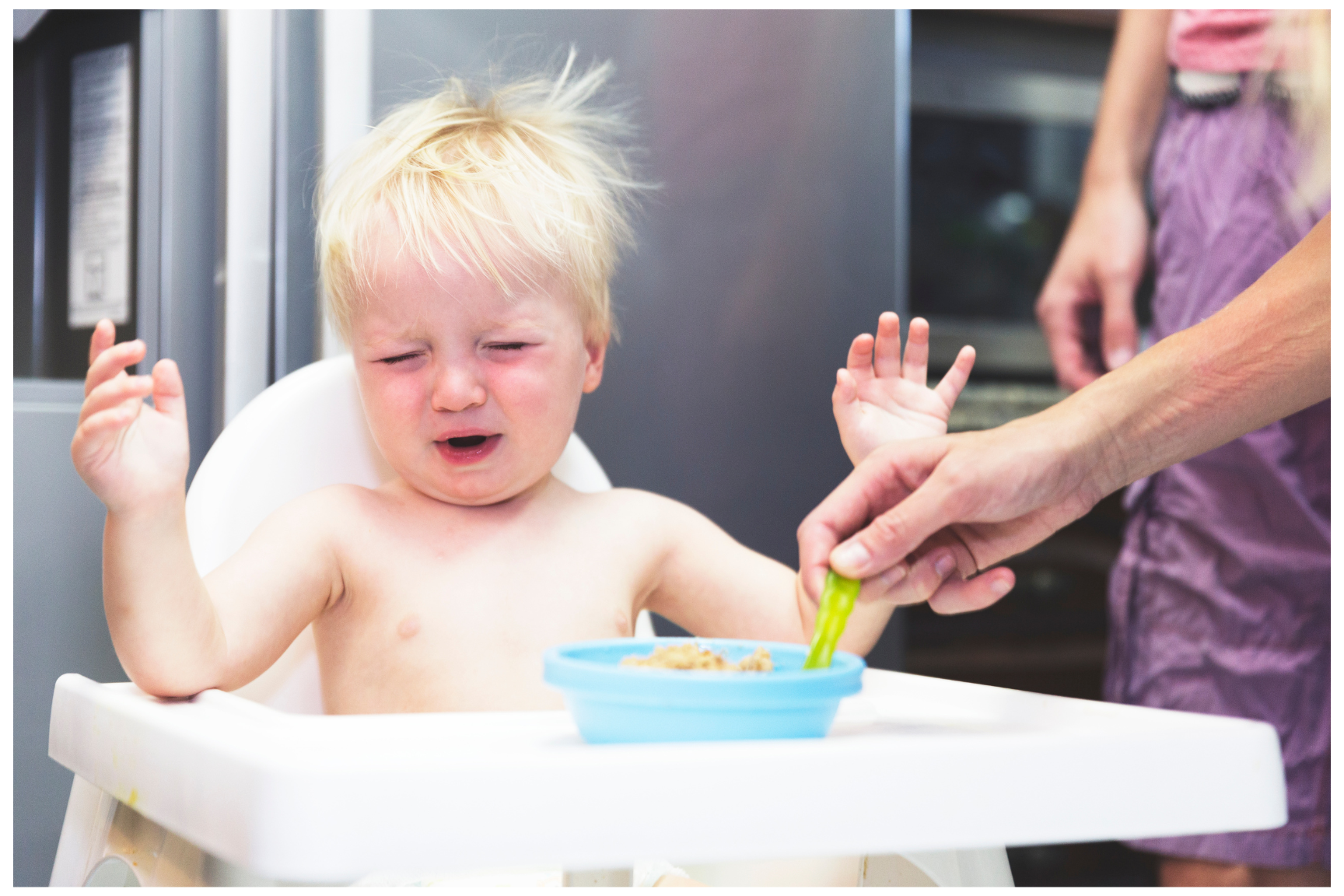
Extreme Picky Eating ARFID
When food restriction is more than a phaseSome children are selective with food. That’s common.
But for some kids, eating is not just “picky” — it’s deeply stressful, extremely limited, and impacts health, growth, or daily life. In these cases, families may hear the term ARFID.
ARFID stands for Avoidant/Restrictive Food Intake Disorder.
It is a feeding and eating disorder recognized by medical and mental health professionals — and it’s not about body image or weight concerns.
What Is ARFID?
ARFID involves severe restriction in the amount or types of food eaten, often linked to:
Sensory sensitivity
Fear of choking, vomiting, or discomfort
Low appetite or lack of interest in food
Past medical or feeding experiences
Children with ARFID are not refusing food to be difficult. Their nervous system is working hard to feel safe.
How ARFID Is Different From Typical Picky Eating
Typical Picky Eating
Still eats a variety of foods
Phases come and go
Growth is typically steady
Can try new foods sometimes
Meals are sometimes hard
Will eat when hungry
ARFID or Extreme Restriction
Very limited food list
Restriction persists or worsens
Growth or nutrition concerns may appear
Strong fear or distress with new foods
Meals are consistently stressful
May skip meals rather than eat non-preferred foods
What It May Look Like
Children with ARFID may:
Eat fewer than ~10–20 foods
Refuse entire textures or food groups
Become distressed when new foods are presented
Have strong gagging or fear responses
Avoid social situations involving food
Show anxiety around meals
Have a history of medical feeding challenges
These patterns often affect more than just eating — they can impact school, family life, and social participation.
ARFID Is Not Caused by Parenting
Families often feel guilt or blame. But ARFID is linked to:
Sensory processing differences
Anxiety
Neurodivergence
Medical history
Early feeding experiences
It is not caused by being “too soft” or “too strict.”
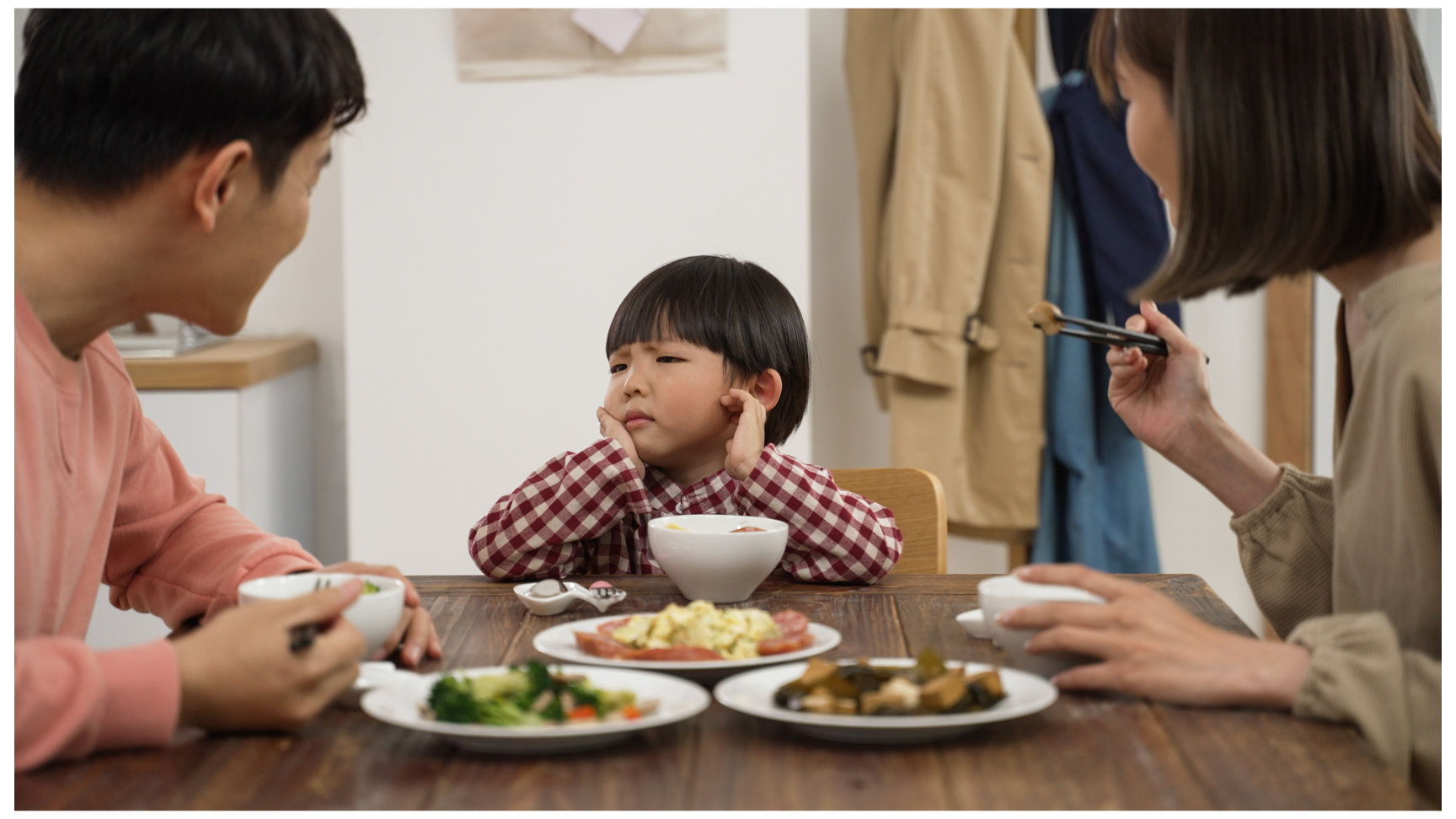
Why Early Support Matters
Extreme restriction can affect:
Growth
Energy levels
Nutritional balance
Social participation
Family stress
Support can help children expand comfort and skills at a pace that feels safe.
What Treatment Can Look Like
Support often involves a team, which may include:
Speech-language pathologists (feeding specialists)
Occupational therapists
Dietitians
Pediatricians
Mental health professionals
The focus is not forcing food — it’s:
✔ Reducing fear
✔ Building sensory tolerance
✔ Supporting oral motor skills
✔ Increasing food variety gradually
✔ Improving mealtime comfort
A Gentle Reminder
If your child’s eating feels extreme, you are not overreacting. Trust your instincts.
Getting help does not mean something is “wrong” with your child. It means they need support to feel safe with food.
Progress can be slow, but meaningful change is possible with the right approach.
ARFID is about safety, not willpower.
When children feel safer, have the right support, and move at a pace their body can handle, their relationship with food can grow.
And families don’t have to navigate this alone.