Why Pressure Often Backfires
When children feel overwhelmed by sensory input, pressure can push their nervous system into stress mode.
Stress can lead to:
Stronger refusal
Gagging
Shutting down
Increased fear around food
Lower pressure and gradual exposure help children feel safer.
What Helps Sensory-Based Eaters
Progress often starts outside of eating.
Helpful approaches may include:
Letting kids explore food with hands
Smelling foods before tasting
Playing with food textures in low-pressure ways
Offering very small amounts
Keeping preferred foods available
The goal is helping the nervous system learn that food is safe.

Food Exploration Happens in Steps
Many children move through stages like:
Looking → Touching → Smelling → Licking → Tasting → Eating
Skipping steps can feel overwhelming. Respecting the process builds trust.
Regulation Comes First
Kids eat best when their bodies feel calm.
Some children benefit from:
Movement before meals
Predictable routines
A familiar mealtime setup
Less sensory clutter
When the body is regulated, trying new foods becomes more possible.
When to Seek Support
Sensory-based picky eating may benefit from feeding therapy if:
Food variety is very limited
Meals are highly stressful
Gagging is frequent
Entire textures or food groups are avoided
Progress feels stuck
Occupational therapists and speech-language pathologists often support these challenges.
A Reminder
Your child is not being difficult. Their nervous system is working hard to feel safe.
With understanding, patience, and gradual exposure, many children expand what they eat over time.
Safety first. Skills follow.
Sensory-Based Picky Eating

When food refusal is about how the world feels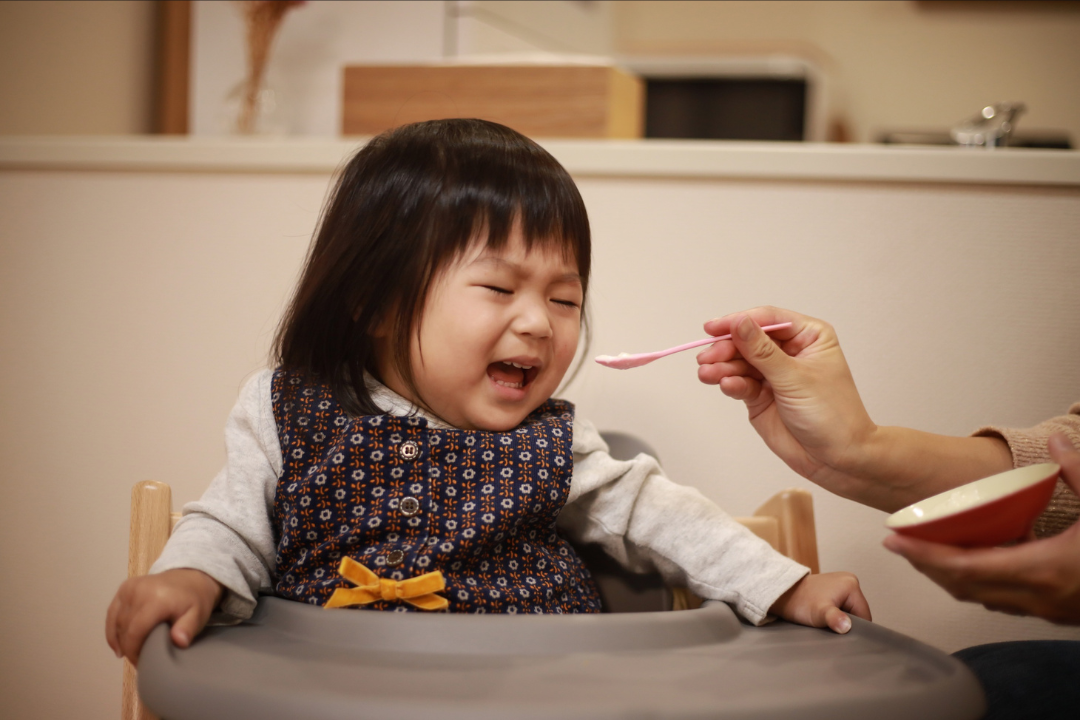
What Is Sensory-Based Picky Eating?
Sensory-based picky eating happens when a child’s sensory system reacts strongly to certain food properties.
These children may be sensitive to:
Texture (crunchy, mushy, mixed foods)
Temperature (cold vs. warm)
Smell
Appearance
Sound (crunching noises)
Feeling of food in the mouth
Their body may react with discomfort, gagging, or refusal before they even consciously decide whether they “like” the food.
At mealtimes, our sensory picky eaters can:
Prefer only certain textures (all crunchy or all smooth)
Refuse foods that are mixed together
Be upset when foods touch
Avoid messy foods
Gag when seeing or touching certain foods
Smell food before eating
Want food prepared exactly the same way every time
These behaviors are about regulation and safety, not control.
Why the Nervous System Matters
Our sensory system helps us understand the world. For some children, food sensations are amplified.
Imagine if:
The texture of yogurt felt overwhelming
The smell of broccoli felt too strong
A lumpy food felt unpredictable
Your body might try to protect you too.
For these kids, refusal is often a protective response.
Sensory-Based vs. Skill-Based Challenges
Sometimes picky eating is about chewing skills. Sometimes it’s sensory. Often, it’s a mix.
Sensory-based feeding challenges may involve:
Strong reactions to textures
Fear of new foods
Avoidance before tasting
Both deserve support, not pressure.
Skill-based challenges often involve:
Trouble chewing
Food falling out of the mouth
Fatigue while eating
Some children aren’t avoiding food to be stubborn or oppositional. They’re avoiding it because their nervous system experiences food differently.
For these kids, picky eating is often sensory-based.
That means the challenge isn’t just taste, it’s how food feels, smells, looks, sounds, or even how it moves in the mouth.
Understanding this can completely change how we respond.