Moving From Puréed Foods to Chewable Foods
Helping your child build the skills for real-life eatingTransitioning from smooth purées to chewable foods is one of the biggest steps in feeding development — and one of the most nerve-wracking for parents.
You might be wondering:
“How do I know my child is ready?”
“What if they gag?”
“Should I do baby-led weaning?”
“What if they only want purées?”
This stage is less about age and more about skills. Chewing is learned — and kids often need time and practice to build it.
Why This Transition Matters
Chewable foods help children develop:
✔ Jaw strength
✔ Tongue movement side-to-side
✔ Oral coordination
✔ Texture tolerance
✔ Self-feeding skills
Staying on purées too long can make chewing harder to learn later.
Signs Your Child May Be Ready
Your child may be ready to explore chewable foods if they:
Sit upright with support
Show interest in food
Bring toys or hands to their mouth
Can move purée around in their mouth
Tolerate thicker textures (like mashed foods)
Readiness doesn’t mean perfect chewing yet, it means they’re ready to start learning.
A Graduated Texture Approach
Many children benefit from moving through textures gradually rather than jumping straight to harder foods. There is no one correct way to start foods with your child. A graduated textures approach, baby lead weaning, or a combination of the two should all lead to eating success. It comes down to how you feel as a parent and what you are most comfortable with.
Step 1: Thicker Purées
Examples:
Yogurt
Mashed avocado
Mashed sweet potato
Goal: Learn to move thicker food with the tongue.
Step 2: Lumpy & Mashed Textures
Examples:
Mashed banana with soft lumps
Cottage cheese
Well-mashed beans
Goal: Introduce texture variation.
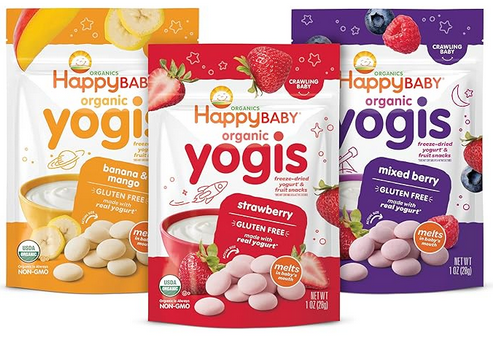
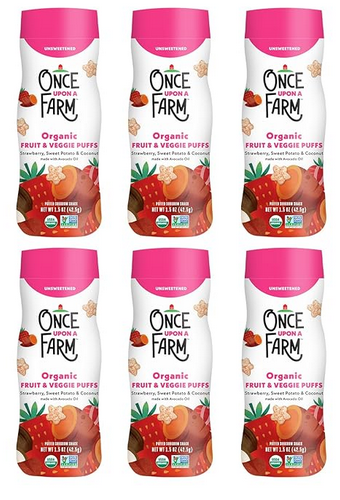
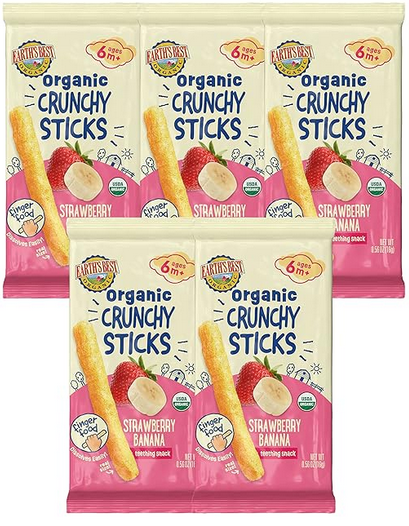
These melt easily and are great early practice foods.
Examples:
Yogurt melts
Baby puffs
Teething wafers
Goal: Practice biting and munching safely.
Step 3: Dissolvable Solids
Step 4: Soft, Chewable Foods
Examples:
Soft-cooked vegetables
Ripe fruits
Scrambled eggs
Soft pasta
Goal: Learn to chew with gums and early teeth
What Chewing Looks Like at First
Early chewing is not neat or efficient. It often looks like:
Munching up and down
Moving food slowly
Using gums instead of teeth
Food falling out
That’s learning.
What About Baby-Led Weaning (BLW)?
Baby-led weaning encourages offering soft finger foods from the start, allowing babies to explore and self-feed.
BLW can support:
Independence
Oral motor development
Sensory learning
Self-regulation
But BLW doesn’t mean skipping skill-building. Babies still need safe food textures and supportive positioning.
BLW + Graduated Textures Can Work Together
You don’t have to choose one or the other.
A blended approach might look like:
Offering purées and soft finger foods
Allowing self-feeding while also using a spoon
Choosing BLW foods that match your child’s skill level
Moving forward gradually as chewing improves
This approach supports both skill development and autonomy.
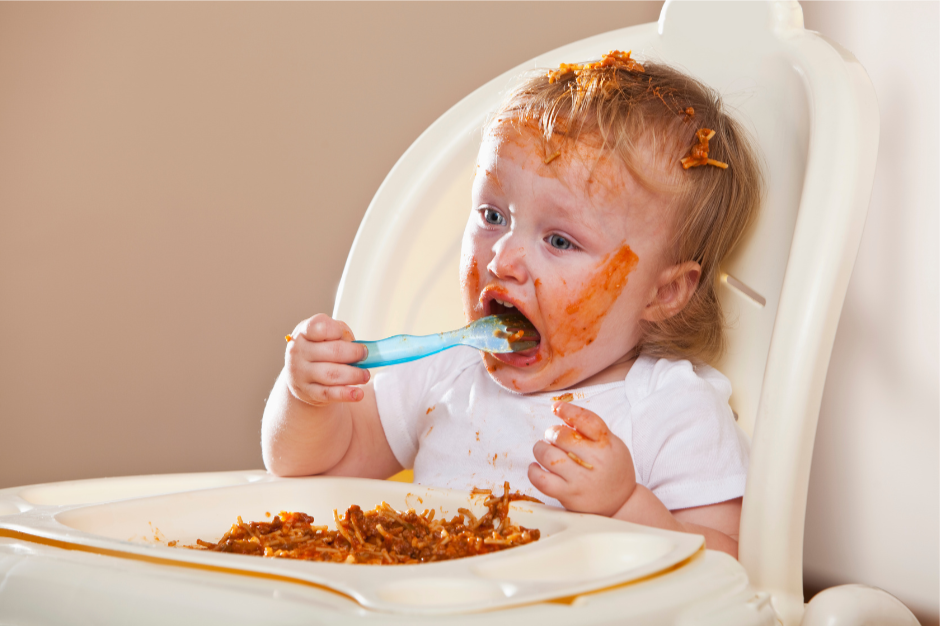
Helpful Tools During This Stage
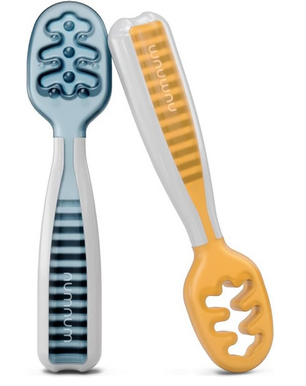
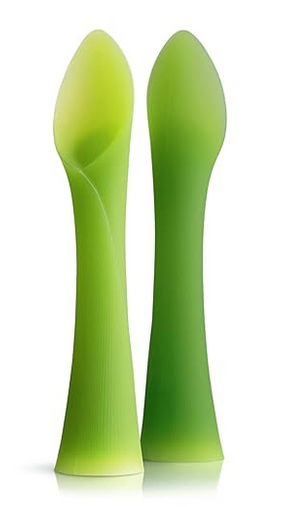
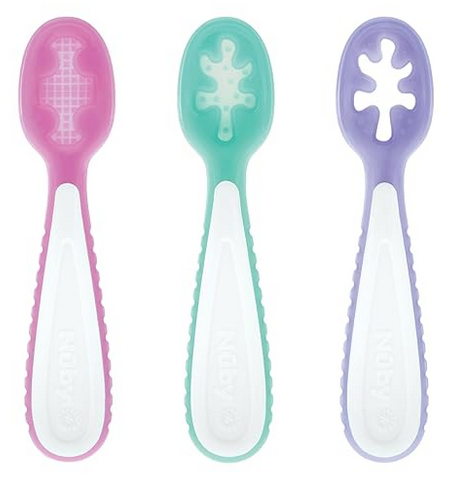
Pre-Loaded Spoons
Pre-loading a spoon allows kids to practice self-feeding
before they can scoop independently.
Food Cutters

Small, soft, manageable pieces reduce choking risk and help kids practice safely.
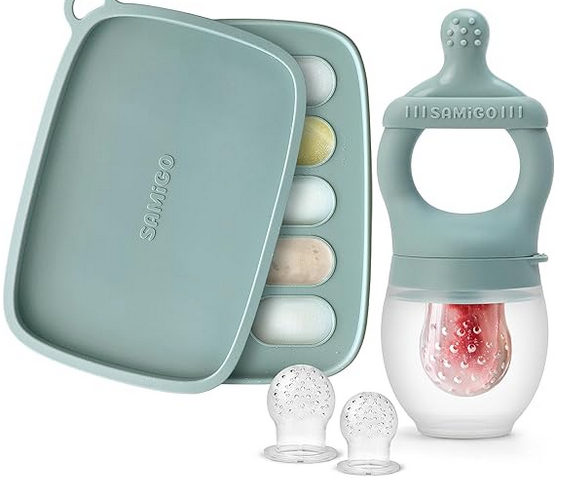

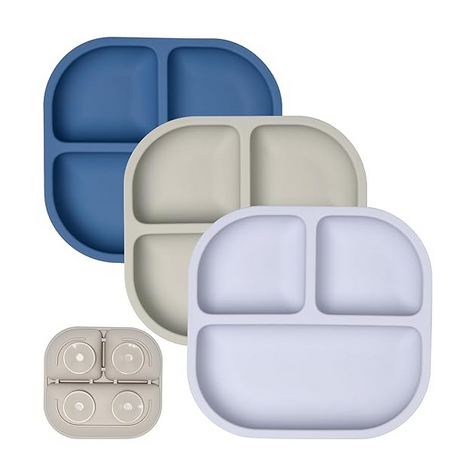
Sectioned Plates
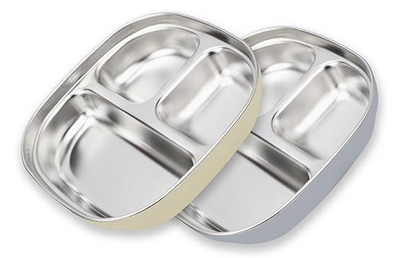
Separating foods can reduce overwhelm and support exploration.

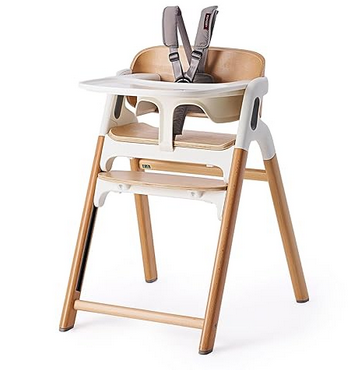
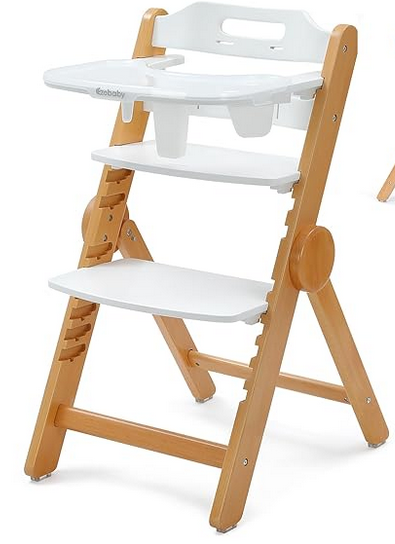
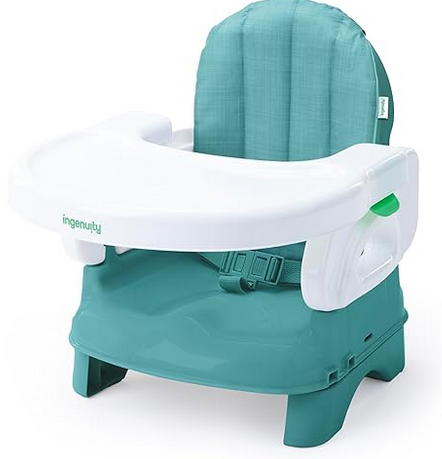
Proper Seating
Upright posture with foot support is critical when learning to chew.
Gagging During This Stage
Gagging is common when kids learn textures. It often decreases as skills improve.
Stay calm, offer appropriate textures, and move at your child’s pace.
When to Get Extra Help
Consider feeding support if your child:
Gags on smooth foods
Refuses all textures beyond purée
Swallows food without chewing
Shows fear around textured foods
Has medical or developmental complexities
Feeding specialists can guide texture progression safely.
The Big Picture
This transition is a process, not a test.
Some kids move quickly. Others need more time and practice. Both are okay.
The goal isn’t rushing.
The goal is helping your child build the skills to eat safely, comfortably, and confidently.