Eating is Access
Food is more than nutrition — it’s connection, belonging, and participation.When we talk about feeding, people often focus on calories, weight, or “picky eating.”
But eating is so much bigger than that.
Eating is how we gather.
It’s how we celebrate.
It’s how we connect to culture, family, and community.
For many children, especially children with disabilities, eating is also a gateway to participation.
Feeding isn’t just a skill.
It’s access to life.
Food Is Social
Think about how many important moments happen around food:
Birthday parties
Family dinners
School lunch tables
Holidays
Playdates
Community events
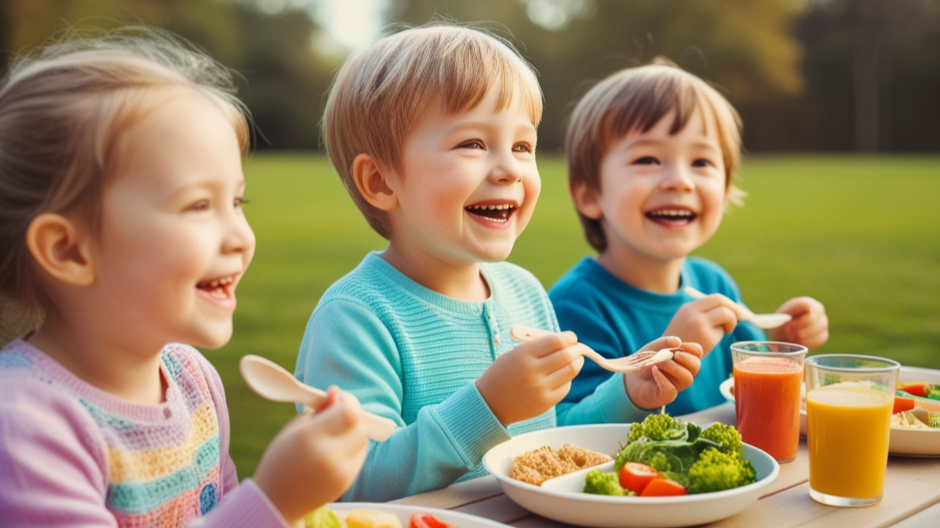
Meals are where conversations happen. Where kids laugh. Where friendships form.
When a child can’t safely or comfortably eat what their peers are eating, they don’t just miss a food. They can miss the experience.
That can feel isolating, for children and for families.
Eating Connects Us to Culture and Identity
Food carries tradition.
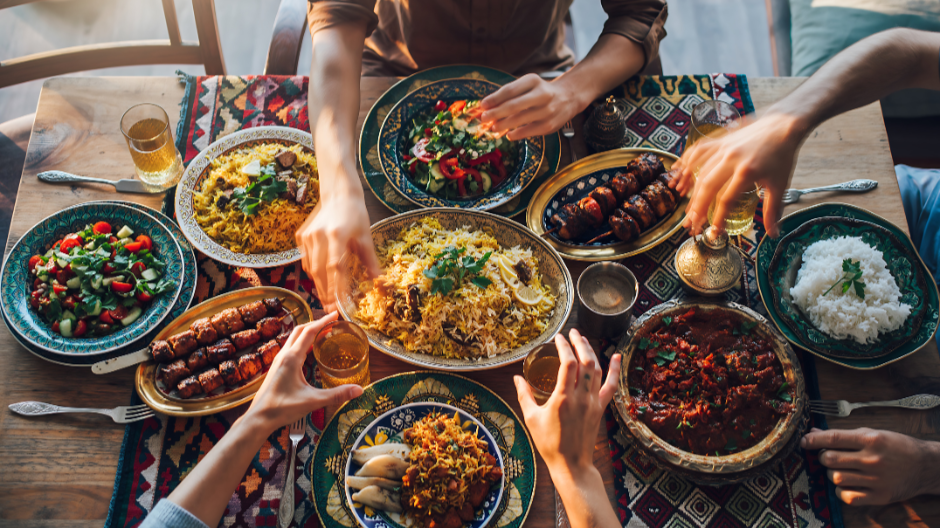
Recipes are passed down through generations. Cultural dishes tell stories about where we come from and who we are.
When a child struggles to eat a family’s traditional foods, it can feel emotional. Families often say:
“I want them to share our meals.”
“Food is how we show love.”
“I don’t want them to feel left out.”
Supporting feeding skills can help children participate in the cultural and family traditions that matter deeply.
Eating Is Access at School
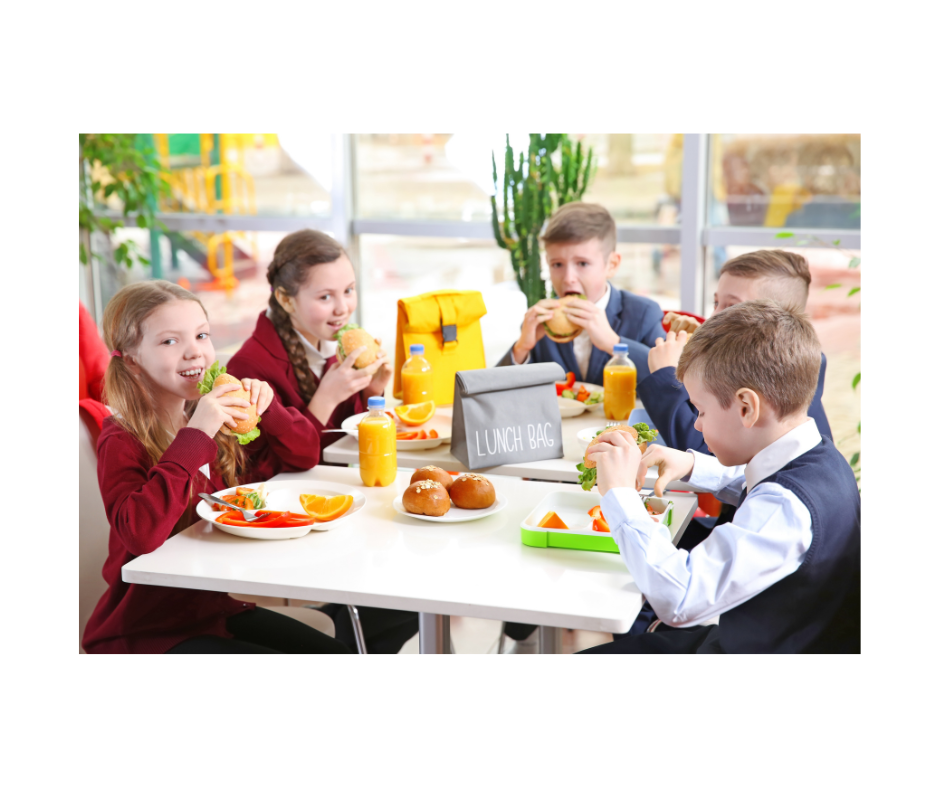
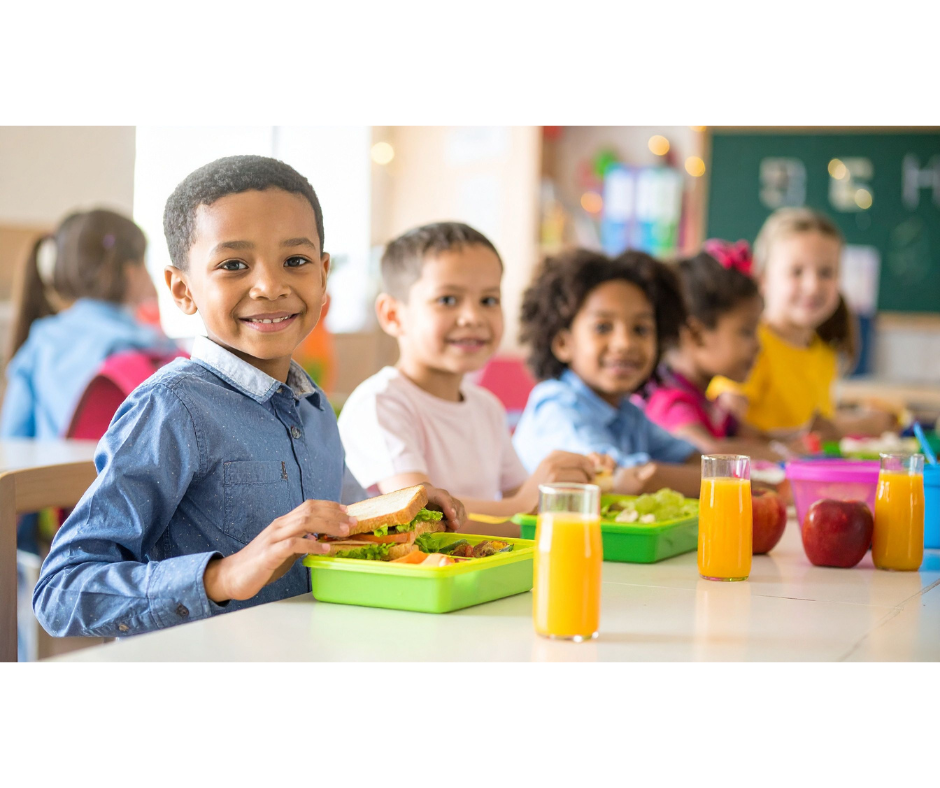
School meals aren’t just about nutrition. They are social, educational, and inclusive spaces.
For children who spend part of their day in specialized programs, lunch and snack times may be one of the biggest opportunities to be with general education peers.
These moments offer:
Social learning
Conversation practice
Peer modeling
Shared routines
A sense of belonging
Where kids can laugh and connect
When feeding challenges make it difficult to participate safely, children may eat separately, eat different foods, or need significant adult support. That can limit inclusion.
Supporting feeding skills can help children join these everyday school experiences.
Feeding Is Participation
Inclusion doesn’t only happen in classrooms or on playgrounds.
It happens at the lunch table.
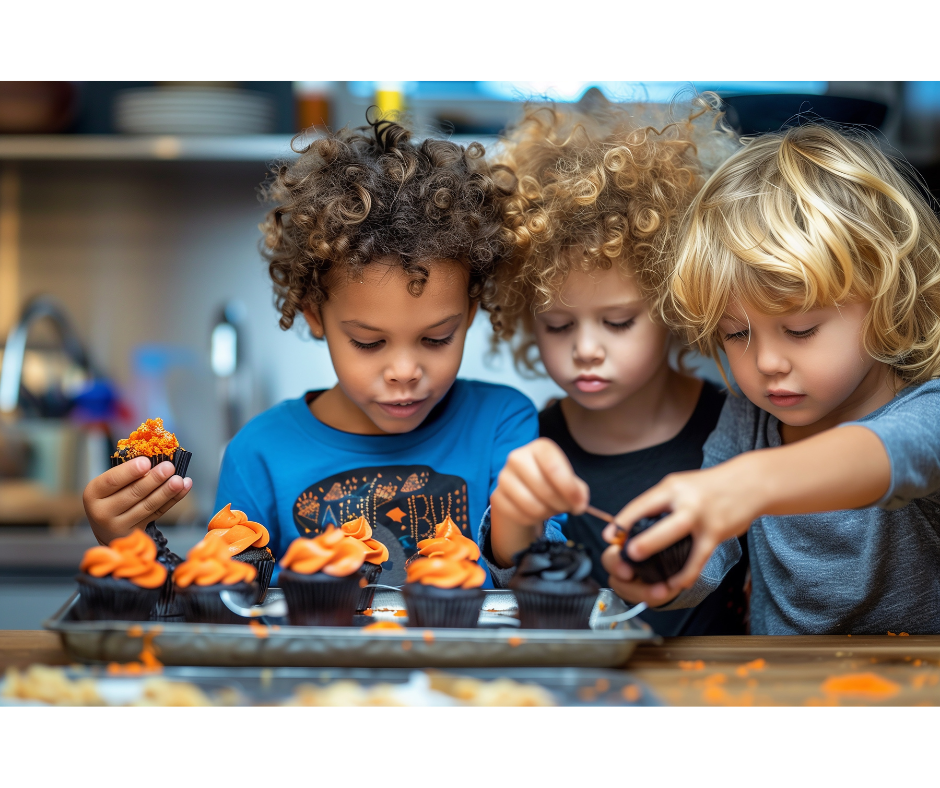
At the birthday cupcake.
At the pizza party.
At the family barbecue.
When we support a child’s feeding skills, we’re not just working on chewing or texture tolerance.
We’re helping them:
Sit with friends
Try shared foods
Feel more confident
Be part of the group
That’s participation.
Eating Is Emotional
Meals are where care happens.
Parents feed babies when they’re tiny. Grandparents cook favorite dishes. Families gather at the end of long days.
When feeding is stressful, families often feel grief, guilt, or worry. They may avoid restaurants, parties, or gatherings because eating feels too hard.
Supporting feeding skills can help bring back some of the joy, connection, and ease families want.
Feeding Support Is About Dignity
Every child deserves:
Safe meals
Comfort with food
A seat at the table
The chance to share meals with others
Feeding therapy, accommodations, and supportive tools are not about “fixing” a child.
They are about access, dignity, and inclusion.
They are about making sure a child’s body and environment work together so they can participate in everyday life.
This Is Why Feeding Matters
Yes, nutrition matters. Growth matters. Safety matters.
But so do:
Friendships
Culture
Celebration
Belonging
Shared experiences
Eating is one of the most human, social things we do.
Helping a child build feeding skills is helping them access their world.
A Gentle Reminder
If feeding feels hard right now, it doesn’t mean your child won’t get there. It means they may need support, accommodations, or a different path.
The goal isn’t perfection.
The goal is participation.
And every step toward safer, more comfortable eating is a step toward connection.