My Child Only Eats Beige Foods”
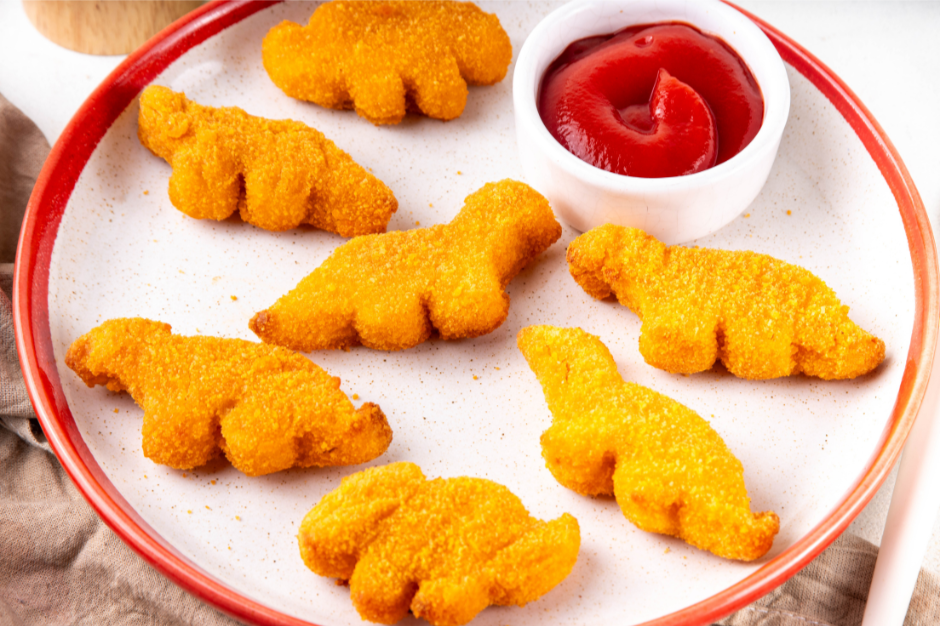
Understanding why this happens and how to gently expand foodsIf your child mostly eats foods like crackers, bread, pasta, fries, nuggets, or other “beige” foods, you are not alone.
This pattern is extremely common, especially in toddlers, neurodivergent children, and kids with sensory or oral motor differences.
It may look like stubbornness from the outside — but there are real reasons kids gravitate toward these foods.
First: Beige Foods Are Predictable
Beige foods often share qualities that feel “safe” to a child’s nervous system.
They tend to be:
Consistent in texture
Mild in flavor
Low in smell
Soft or crunchy (but predictable)
Easy to chew
Predictability helps children feel in control.
Texture Is Often the Real Issue
Many beige foods are either:
Uniformly soft (like bread or pasta)
orUniformly crunchy (like crackers or chips)
Mixed textures (like soups, casseroles, or fruits with skins) can feel unpredictable and uncomfortable.
This is often about sensory processing, not preference.
Sensory Sensitivity Plays a Big Role
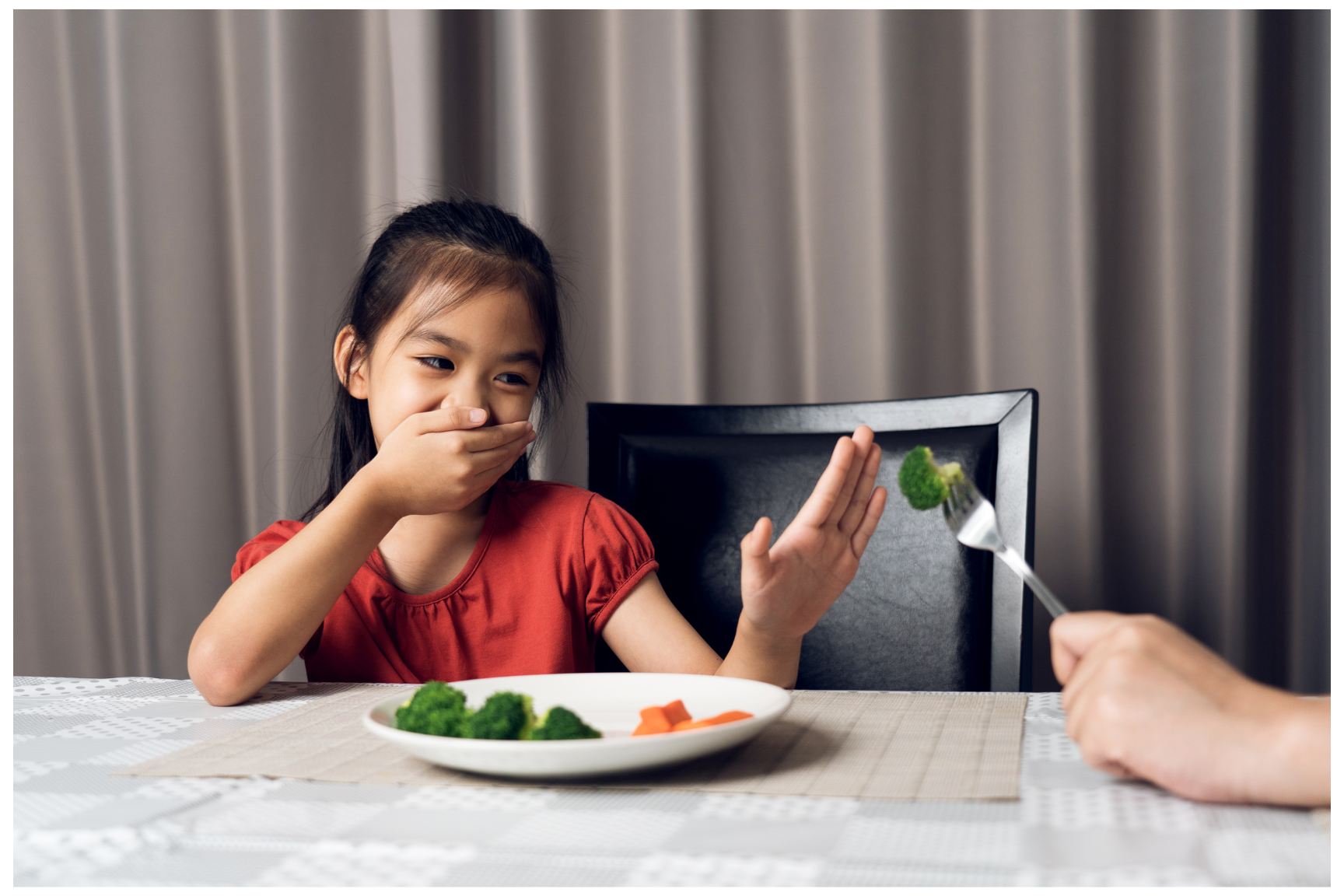
Children who prefer beige foods may be sensitive to:
Strong smells
Juicy or wet textures
Slimy or mixed textures
Bold flavors
Their body may react before they even consciously decide.
Oral Motor Skills May Also Matter
Beige foods are often easier to manage in the mouth.
Some children avoid other foods because:
Chewing feels hard
Moving food side-to-side is difficult
Juicy foods feel overwhelming
Avoidance can be a sign a skill needs support.
Why Pressure Usually Backfires
For children who feel overwhelmed by food sensations, pressure increases stress.
Stress can lead to:
More refusal
Gagging
Anxiety around meals
Lower pressure helps the nervous system feel safe.
How to Gently Expand Beyond Beige
Keep Beige Foods Available
Safe foods help children stay regulated.
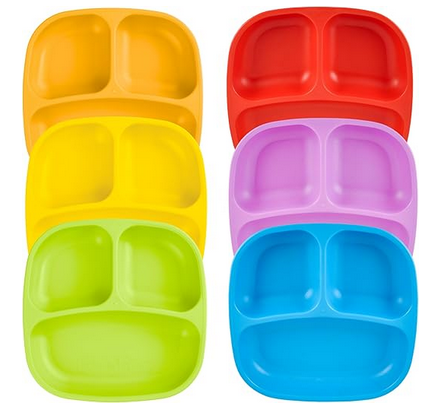
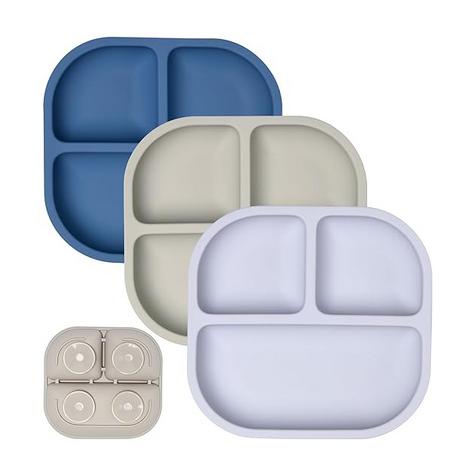
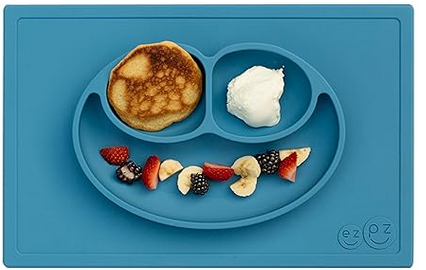
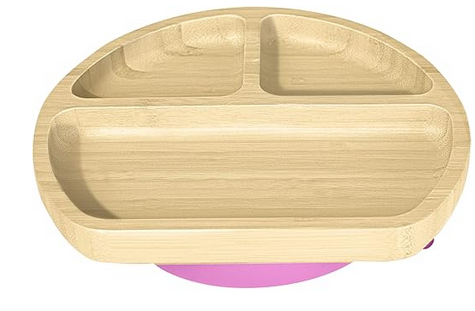
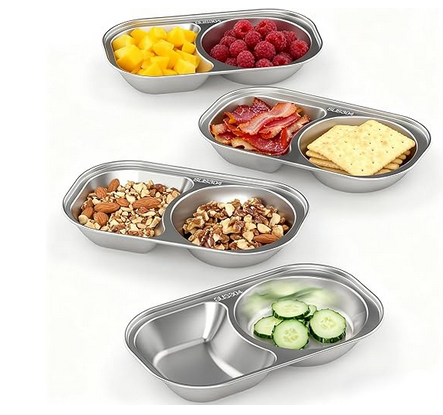
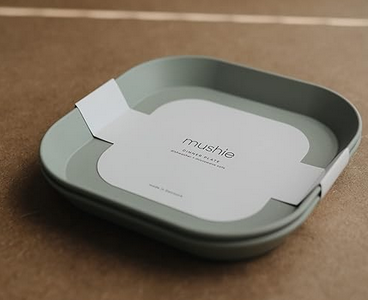
Using sectioned plates can help you offer a safe food while also introducing something new without the foods touching.

Use “Food Chaining”
Food chaining means making small, gradual changes from familiar foods.
For example:
Plain pasta → buttered pasta → pasta with a tiny bit of sauce
Chicken nuggets → baked chicken strips → grilled chicken
Be mindful that although food chaining looks straight forward, it is often two steps forward, and one step back. Expect this process to take a while. What is tolerated one day, may not be the next day and that’s okay. If buttered pasta is new, and is accepted on two noodles one day, fie noodles the next day, and zero noodles the day after that is okay. This is a long game, and progress is never linear. Stick with it, and that new food will slowly make its way into rotation.
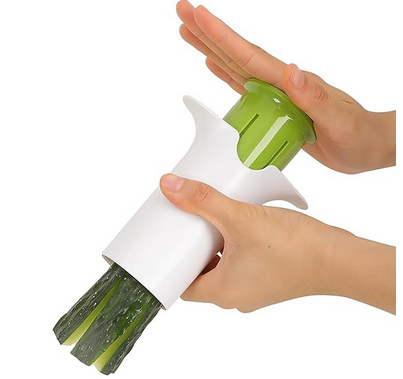
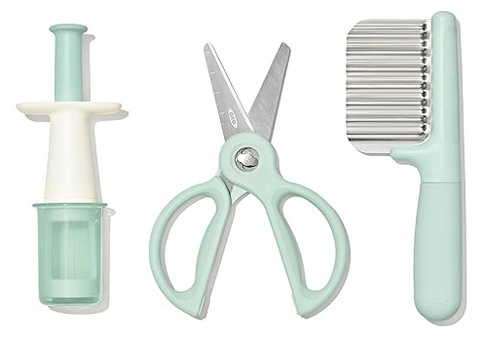
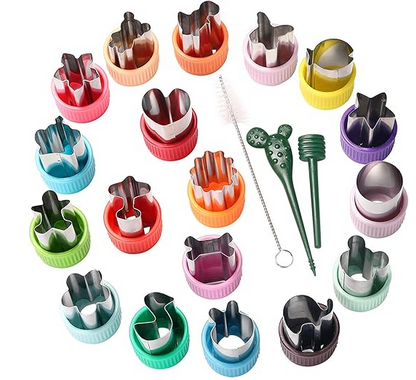
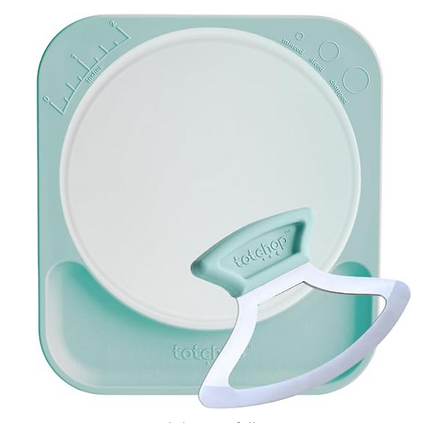
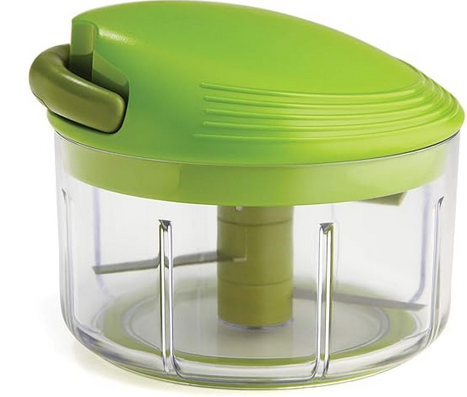
A small food cutter can help create tiny, manageable pieces when transitioning textures.
Focus on Exploration, Not Eating
Touching, smelling, or moving food still counts as progress.
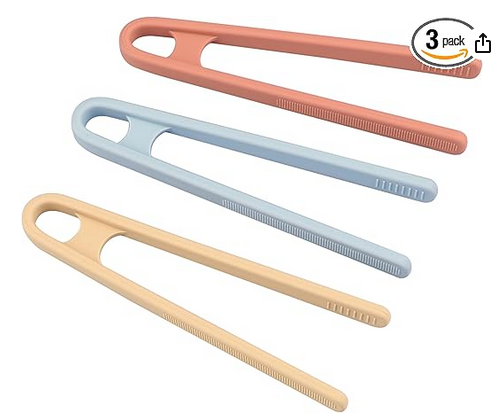
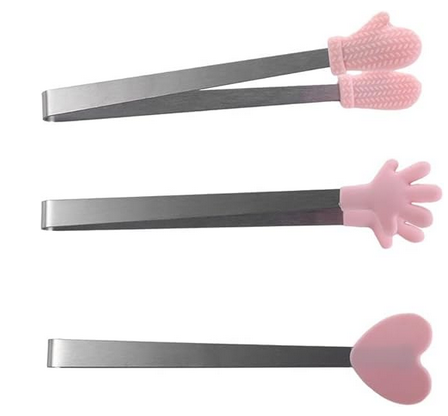
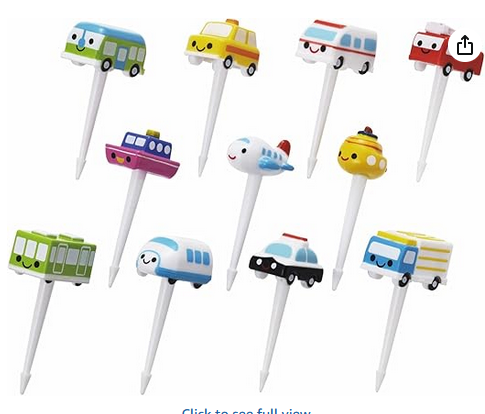
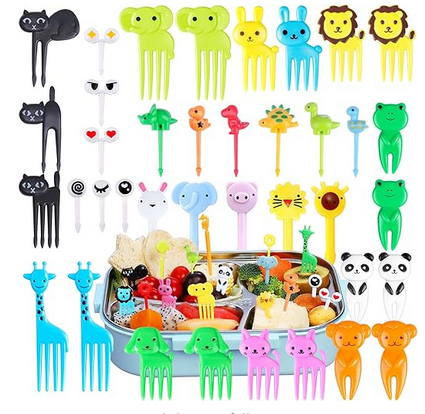
Some kids feel more comfortable using toddler tongs or food picks to interact with food without using their hands.

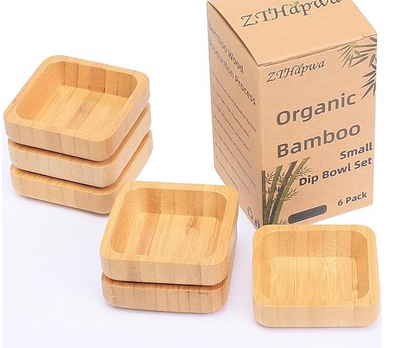
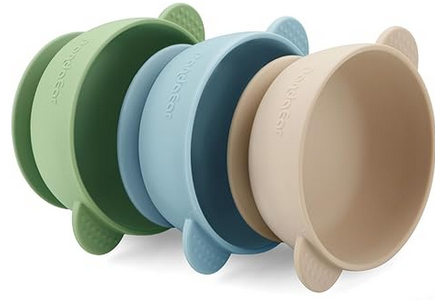
Offer New Foods in Tiny Amounts
Large portions can feel overwhelming.
Small plates or snack trays help keep portions visually manageable.

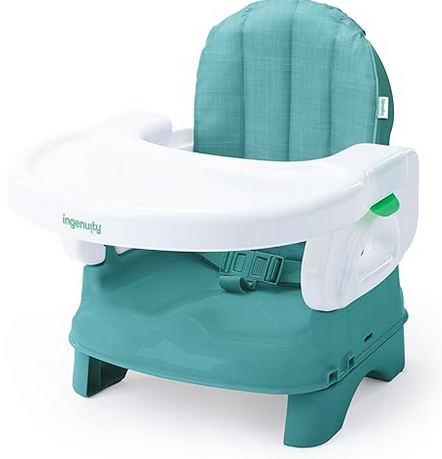
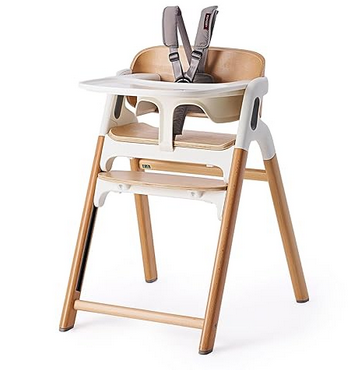
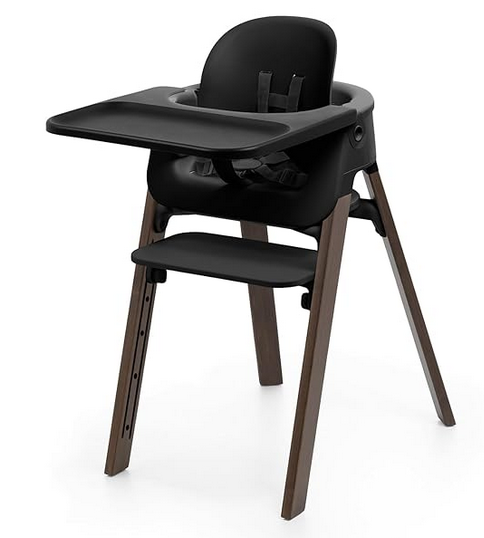
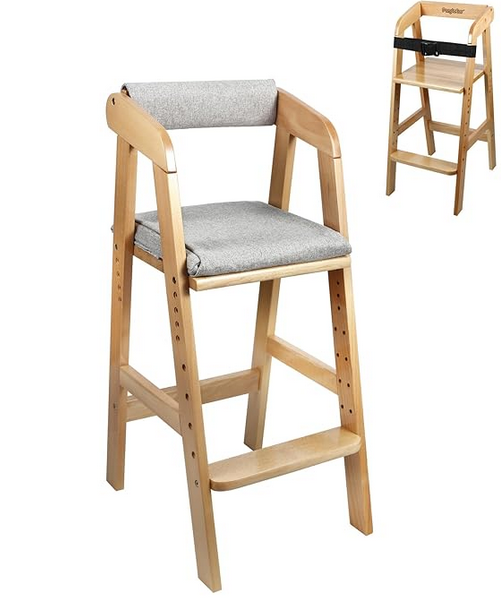
Support Comfortable Seating
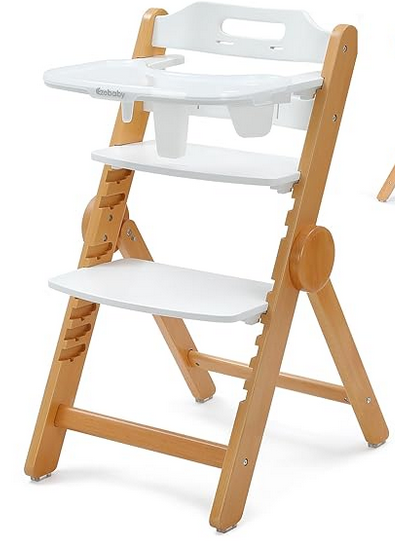
When posture is unstable, eating feels harder.
Feet supported and upright seating help with both regulation and chewing.
What Progress Looks Like
Progress may look like:
Tolerating a new food on the plate
Touching it
Smelling it
Taking a tiny taste
These steps matter.
When to Seek Extra Support
Consider feeding therapy if your child:
Eats very few foods
Avoids entire textures
Gags frequently
Shows fear around food
Has growth or nutrition concerns
Support can help build both comfort and skills.
Beige food preferences are usually about safety, not stubbornness.
With supportive tools, a predictable environment, and low-pressure exposure, many children gradually expand what they eat.
You’re not failing. Your child’s nervous system is doing its best.
And progress is possible.
The Big Picture