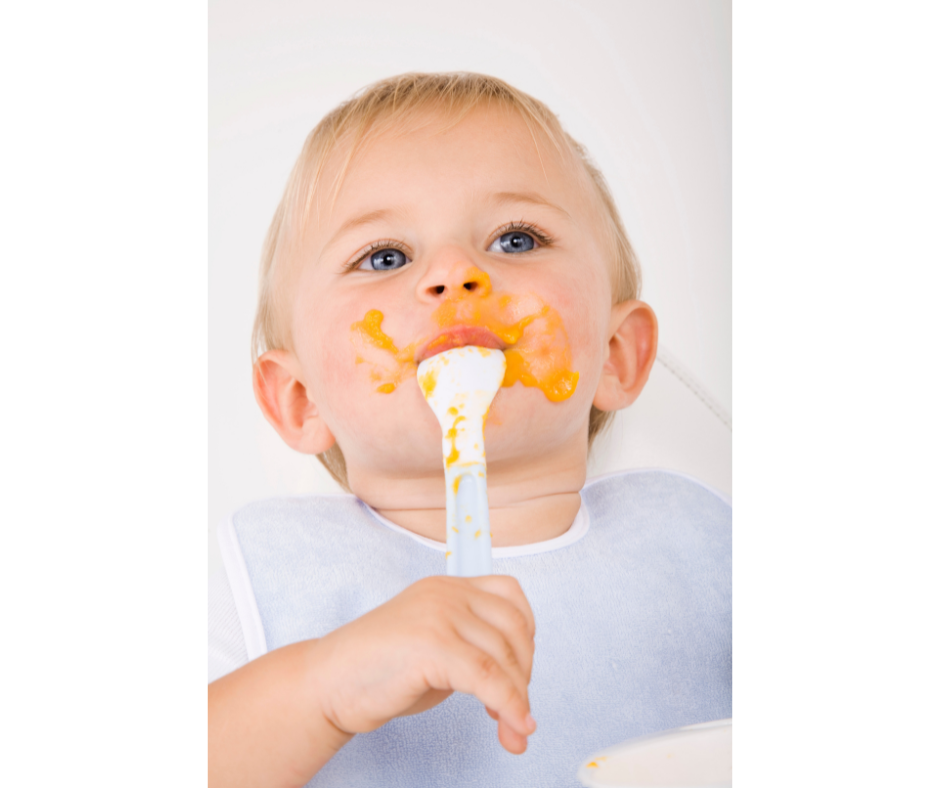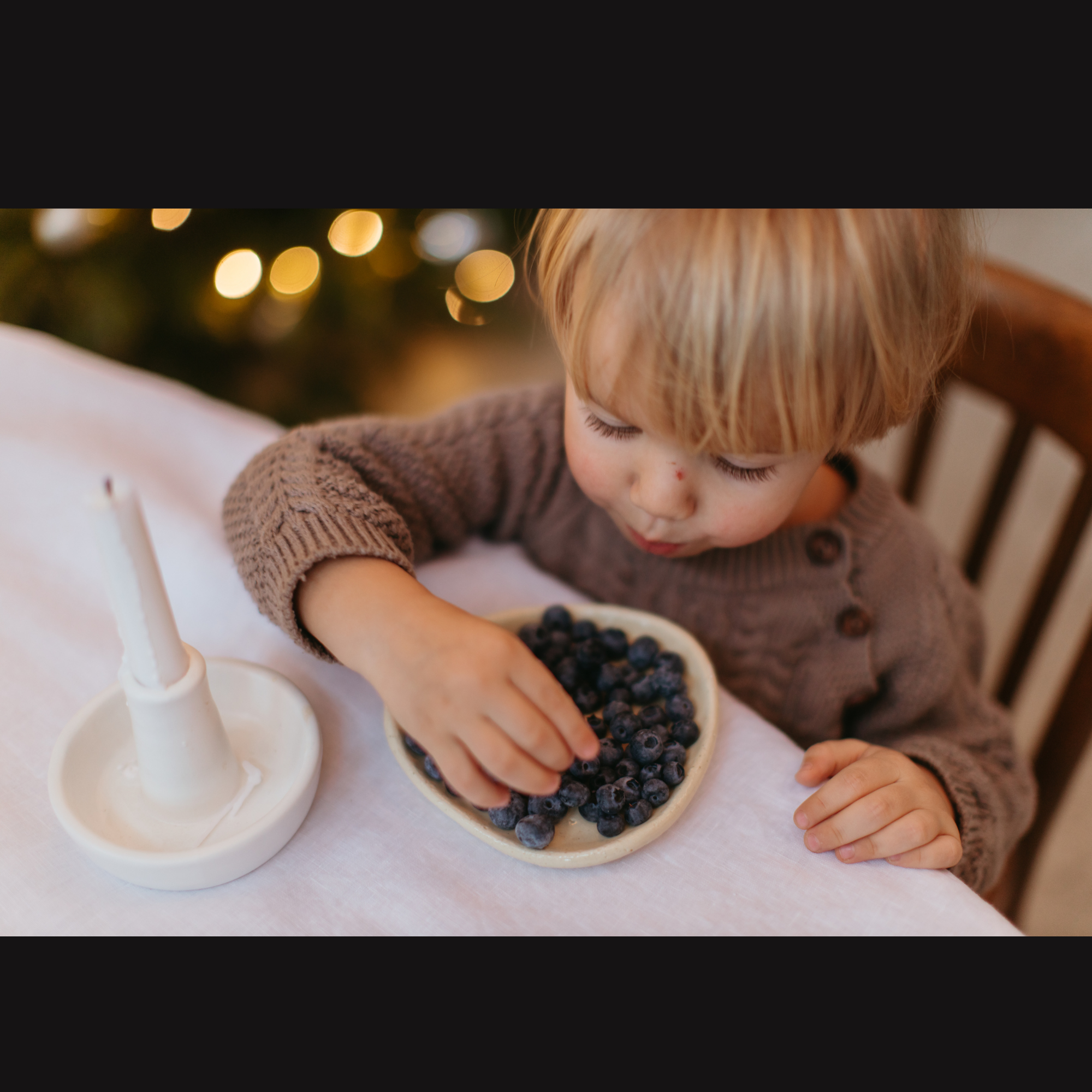
Encouraging Oral Eating in Tube Fed Kids
Supporting comfort, skill-building, and positive food experiencesEncouraging oral eating isn’t about pushing or rushing. It’s about helping your child feel safe, building skills slowly, and creating positive experiences with food.
Oral eating is a learning process, and children who have been tube-fed deserve the same gradual, supportive approach as any new eater.
For children who receive tube feedings, eating by mouth can feel unfamiliar, overwhelming, or even scary. And for families, this stage often comes with mixed emotions. Hope, fear, uncertainty, and a lot of questions are common. Let’s dive into all of these together.
Oral Eating Is More Than Nutrition
Oral eating for our tube fed kids begins as:
Sensory exploration: Touching, playing, and exploring food with no expectation to eat it
Motor learning: Having the opportunities to play with utensils, bowls, pates, cups, and mealtime supplies with no expectation to use them to eat right now
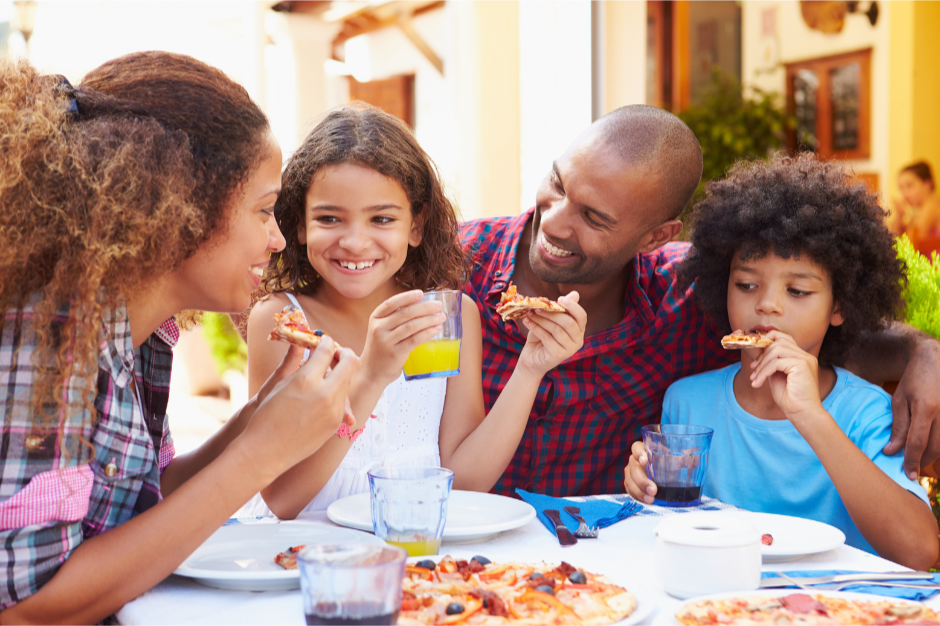
Social participation: Being at the table with family, at the lunchroom with peers, and in social situations with food is important
Trust-building: Knowing that they can be around food and won’t be forced to orally eat.
Nutrition will still come from tube feeds for a while. And that’s expected
Oral experiences help children:
✔ Learn how food feels
✔ Practice mouth movements
✔ Build tolerance
✔ Connect to mealtime routines
Why Eating Can Feel Hard at First
Children who have been tube-fed may:
Have limited oral experience, leading to fear around putting food in or around the mouth
Feel unsure about textures. The mouth is full of sensory receptors, and getting used to the intensities of flavor, texture, temperature, spice, sweetness, and all the other intricacies of food is overwhelming
Tire easily. Oral motor strength and skill comes with practice. If kids haven’t had a lot of practice using these muscles for eating, it can be exhausting
Have sensitive gag reflexes
Lack chewing practice. This can look disorganized, or make kids lose food from their mouths. Coordinating all of the oral motor movements needed is a complex task that requires a tremendous amount of practice
Associate the mouth with medical procedures. Our medical kids that have been intubated, had extensive dental work, mouth or facial surgeries are likely to have a reluctant, even traumatic association, with anything in or around their mouth
These are understandable responses, not signs of failure. The mouth has many sensory
Goals of Early Oral Eating
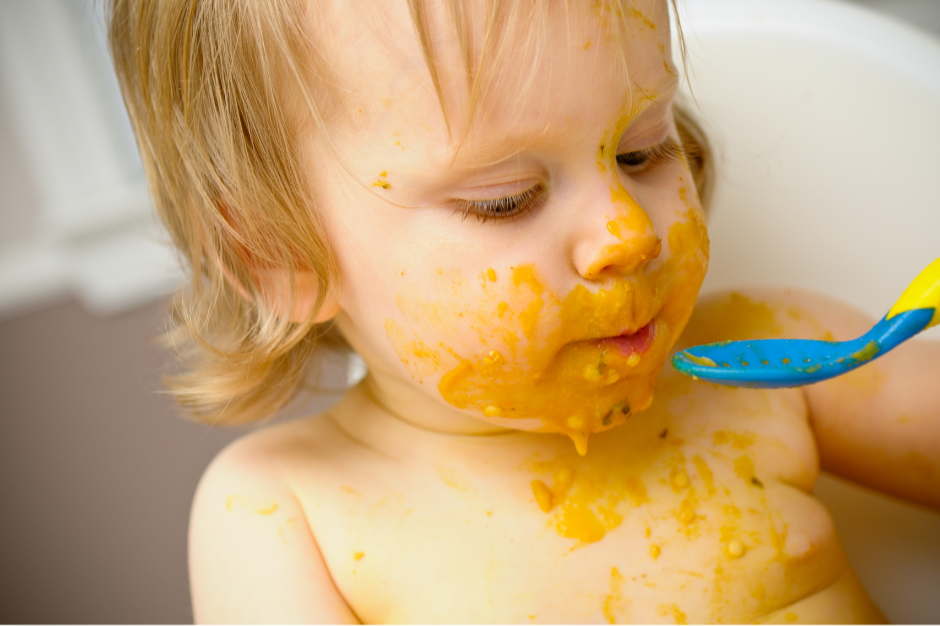
In the beginning, our goals should be:
Comfort around food
Tolerance of smells and textures on hands
Bringing food to the mouth to feel on the lips
Licking or bringing food to the tip of the tongue
Positive mealtime routines
Trust that food wont be forced, and they get to move at their own comfort level
Calm, social interactions with others at mealtimes
This stage is about exposure and skill-building, not volume.

Tools That Support Oral Exploration
Small, Easy-Grip Utensils
Utensils with larger handles and shallow bowls make it easier for children to practice self-feeding without frustration.
Great Options for Starting
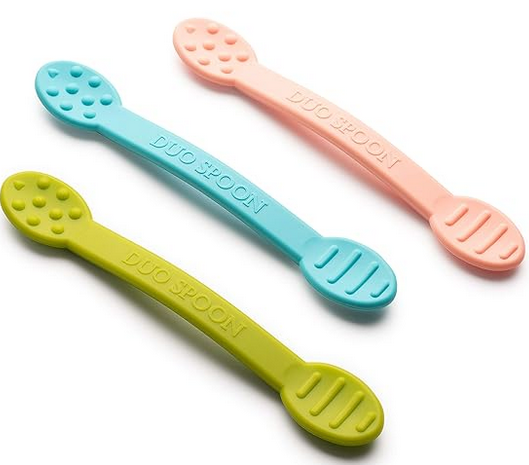
These are great when working on tastes, exposure and exploring utensils
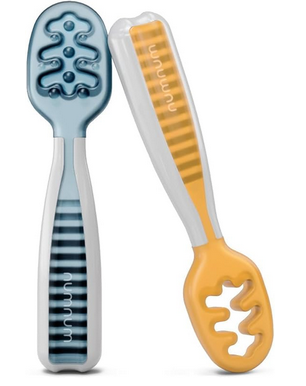
These spoons are great for purees, holding them in the nooks of the spoon. They are flat, which can be much less overwhelming than a traditional spoon
When You are Ready to Advance
We love these for how easy they are to hold. They are still shallow compared to regular spoons, but are great when your child is ready for more conventional utensils. Also great for kids needing extra support with holding their utensils
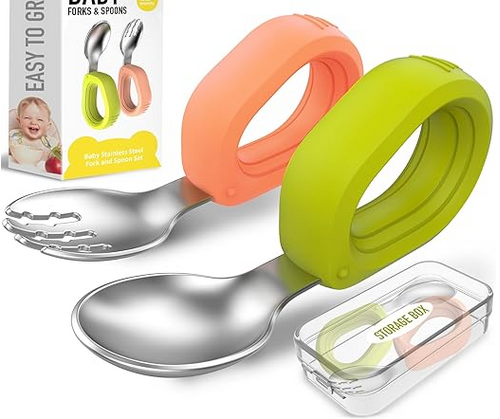
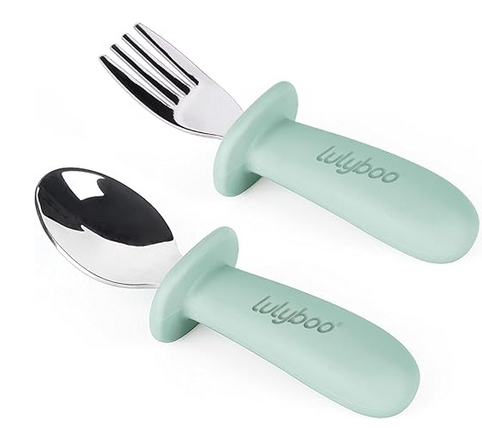
These are really nice for children transitioning to conventional utensils. These are light, easy to grip and help keep hands from sliding into the well of the spoon or fork
Suction & Sectioned Plates
Stable plates reduce movement and help children feel more in control.
Sectioned plates can:
Make foods feel more predictable
Reduce overwhelm
Allow “safe foods” to stay separate
Allow exploration within the child’s control
Team Favorite
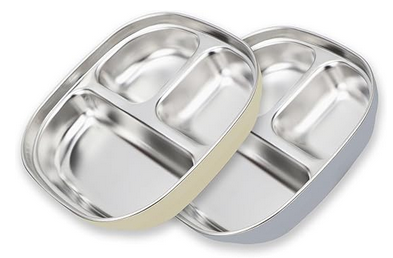
These stainless steel plates have high walls that help with scooping and strong suction cups on the bottom to keep the plate from sliding.
Other Favorites
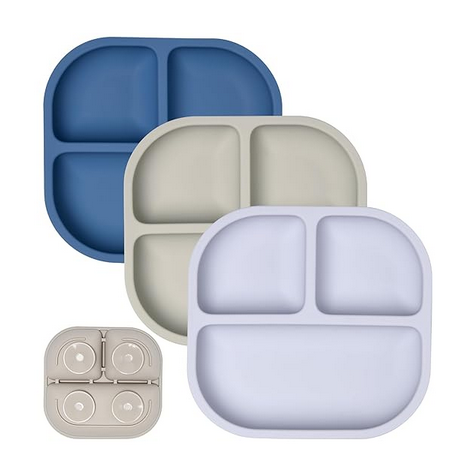
A more budget friendly buy. Still great, but the silicone can carry a flavor after washing, so try and use unscented soap when cleaning
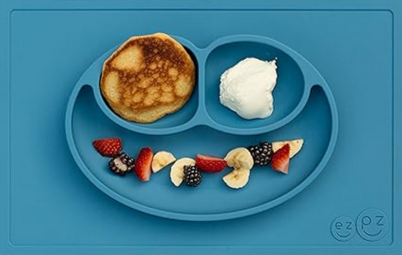
This one uses a different type of suction. It does carry a soapy taste after it’s washed, but is a solid option that will stick to lots of different surfaces
Controlled-Flow Cups & Straw Cups
Drinking skills are developed separately from eating skills.
Straw cups with slow flow can help children practice oral motor coordination safely.
Open cups help kids learn how liquids operate, and can help plan the coordination of swallowing them
Small cups are often less overwhelming to the early liquid drinker
Great Cups to Start
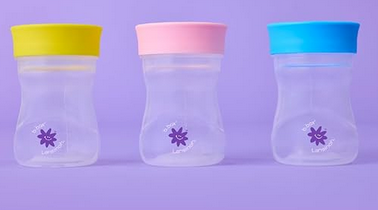
This is a slow flow cup to help teach how to drink from an open cup. The top of the lid is clear, so your child can see the liquid level
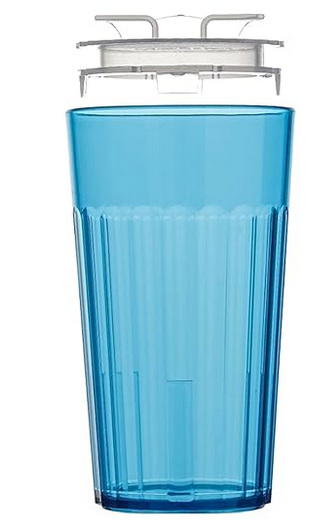
We love this cup for our kids that are wanting to use “grown up” tools right away. The stopper slows the flow, but sits low enough that kids get used to feeling of an open cup rim
Beginning Straw Cups
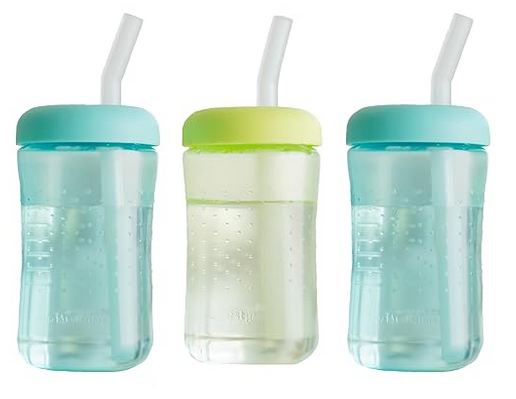
These cups are affordable, and a really nice small size. You can help your child learn to suck up the liquid, by gently squeezing the bottle to draw liquid up into the straw
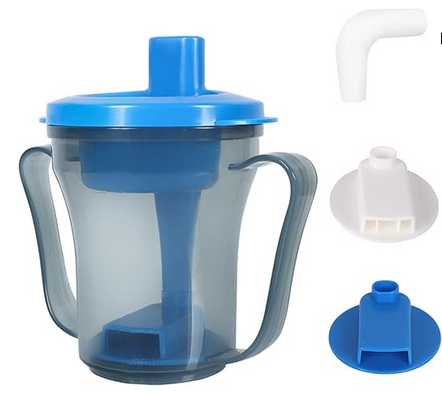
This cup is designed for children with dysphagia, but even if your child doesn’t have the diagnosis, we still love how it helps control the pacing of liquids. It will only allow a small amount up into the straw at a time.
Oral Sensory & Chew Tools
Some children benefit from non-food oral exploration first.
These tools can:
Increase mouth awareness
Build jaw strength
Reduce oral defensiveness
Prepare for food textures
Oral Motor Tools that Support Feeding
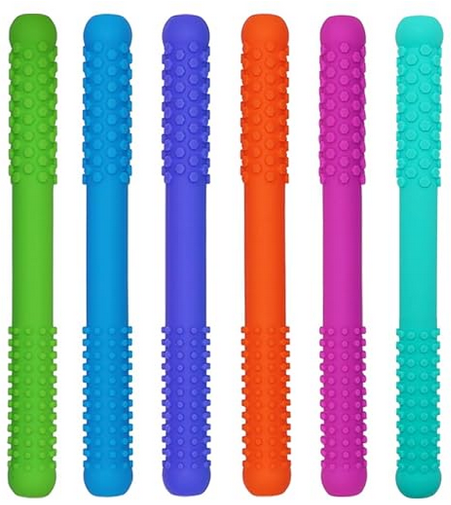
These are textured hallow tubes. Great for working on biting, textures, and accepting sensations farther back in the mouth
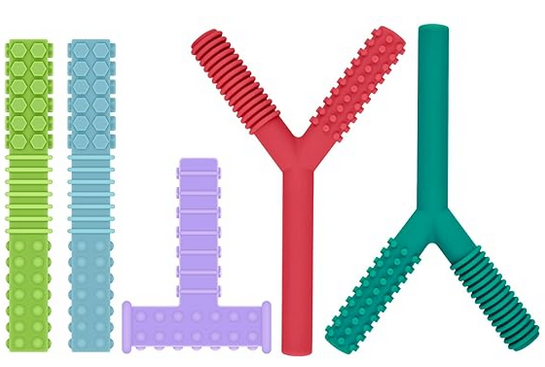
This oral motor set is a great mix of size and texture, and they are easy to grip.
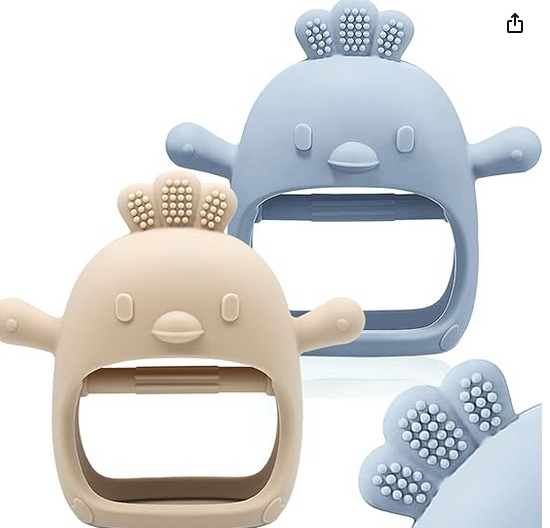
This one works really well for kids that chew on their hands. Can fit a surprisingly large hand, and supports a grip and an oral motor texture.
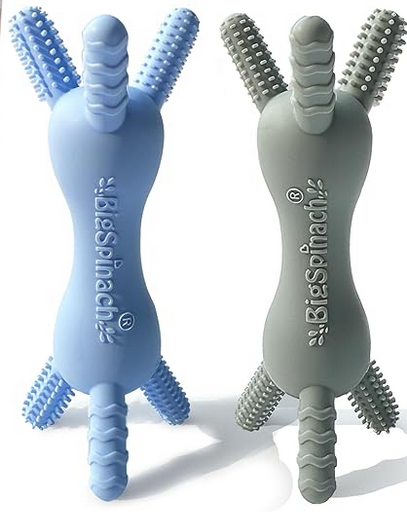
This one is great for sensory seeking kids. Lots of different textures, and anyway you hold it, there something to chew on and explore
How to Make Oral Eating Feel Safe
✔Keep meals calm
✔Offer tiny portions
✔Avoid pressure
✔Let the child control the pace
✔Celebrate interaction, not amount eaten
Remember that the switch from a G-Tube to oral eating will happen slowly,
If a child turns away or shows stress, that’s communication. Honoring their cues builds trust. Feeling uncomfortable while reintroducing oral feeding makes sense. Your child received a G-Tube for good reason, and even though circumstances have changed to allow for safer oral eating, your brain and parenting gut may take a little while to catch up. Be equally as patient with yourself in this process.
How do we know its working?
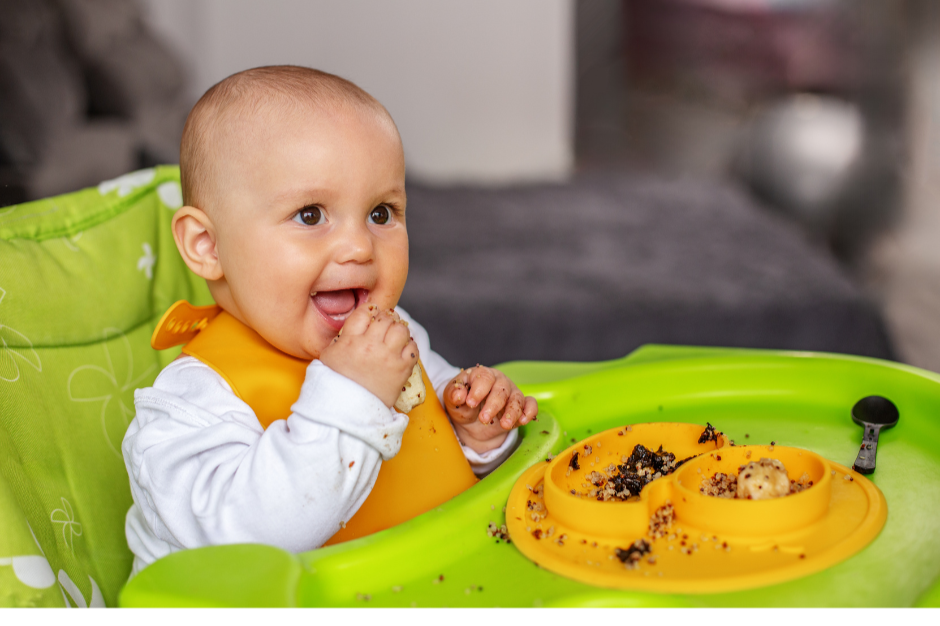
Showing interest in food
Bringing items to mouth
Tolerating tastes
Improved head and trunk control
Reduced stress during meals
Every child’s timeline is different.
When to Seek Extra Support
Feeding therapy can be especially helpful for children who:
Have extreme stress responses to being around food
Refuse all oral input
Have swallowing safety concerns that haven’t been cleared by your child’s medical team
Show fear around the mouth
Have complex medical histories, especially with their respiratory health
SLPs and OTs with feeding experience often work closely with medical teams during tube weaning.
The Big Picture
Encouraging oral eating in tube-fed children is about dignity, participation, and connection — not just calories.
It’s about helping a child experience food as part of life, culture, and community, at a pace that respects their body.
And that is meaningful work.