
Let’s Talk About Gagging
What it means, what’s typical, and when to get supportFew things worry parents faster than seeing their child gag.
It looks scary. It sounds scary. And it can make starting solids feel overwhelming.
But gagging and choking are not the same — and understanding the difference can make feeding feel much less frightening.
First: Gagging Is a Protective Reflex
The gag reflex is the body’s way of preventing choking.
It helps push food forward when something moves too far back in the mouth before a child is ready to manage it.
In many ways, gagging means your child’s body is doing its job.
Why Babies and Young Children Gag More
Young children often gag while learning to eat because:
Their gag reflex sits farther forward in the mouth
They are still learning how to chew
They are exploring new textures
They are figuring out how much food to take
Their tongue movements are still developing
As oral skills improve, gagging usually decreases.
Gagging vs. Choking
Gagging often looks like:
Coughing or retching sounds
Tongue pushing forward
Red or watery eyes
Noise
Food may come forward
Gagging is loud and active. Air is moving.
Choking often looks like:
Silent
Unable to cough or cry
Difficulty breathing
Skin turning pale or blue
Panicked expression
Choking is an emergency and requires immediate action.
If your child cannot breathe, cough, or make sound, seek emergency help right away.
Common Times Kids Gag
Gagging often happens when children are:
Learning new textures
Trying finger foods
Moving from purées to lumpy foods
Taking bites that are too big
Learning to move food side to side in the mouth
It can also happen when children are unsure about a texture and their body reacts quickly.

What You Can Do During a Gag
Your response matters.
✔ Stay calm
✔ Avoid rushing into the mouth
✔ Let your child try to manage it
✔ Offer reassurance
When adults panic, kids often become more fearful about eating.
Most gagging episodes resolve on their own.
When Gagging Is Part of Learning
Occasional gagging while learning to eat new textures can be normal, especially when:
Your child recovers quickly
They continue eating
They are otherwise comfortable
Gagging decreases over time
Learning to eat is a motor skill — mistakes are part of practice.
When Gagging Might Signal a Challenge
It may be time to seek support if your child:
Gags on very smooth foods
Gags almost every meal
Refuses entire textures because of gagging
Vomits frequently from gagging
Shows fear of eating
Has trouble chewing
Has a history of medical or developmental complexity
In these cases, gagging may be related to oral motor skills, sensory processing, or swallowing coordination.
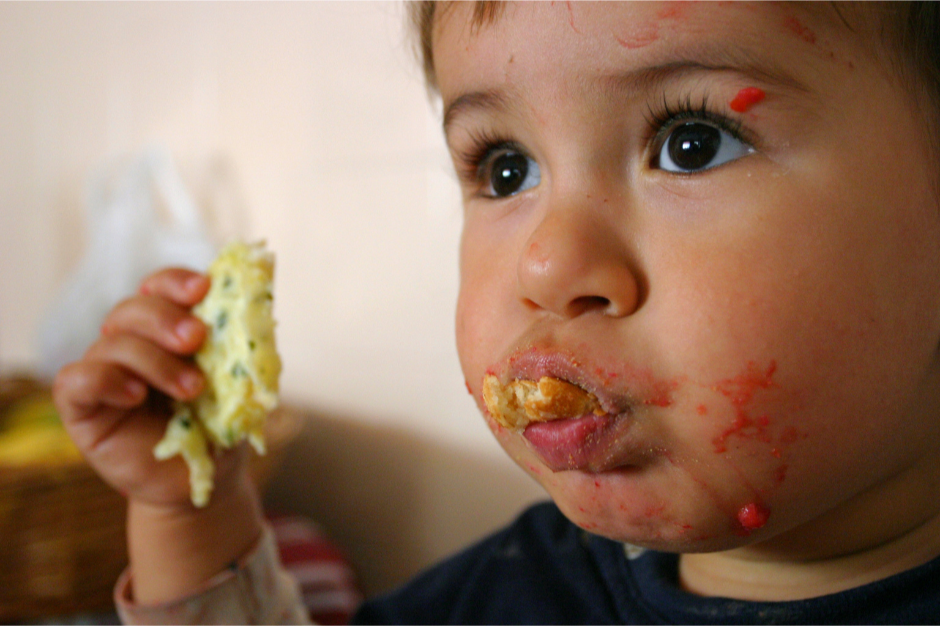
Sensory vs. Skill-Based Gagging
Gagging can happen for different reasons.
Skill-based gagging may occur when:
Chewing is not yet strong
Food moves too far back in the mouth
Coordination is still developing
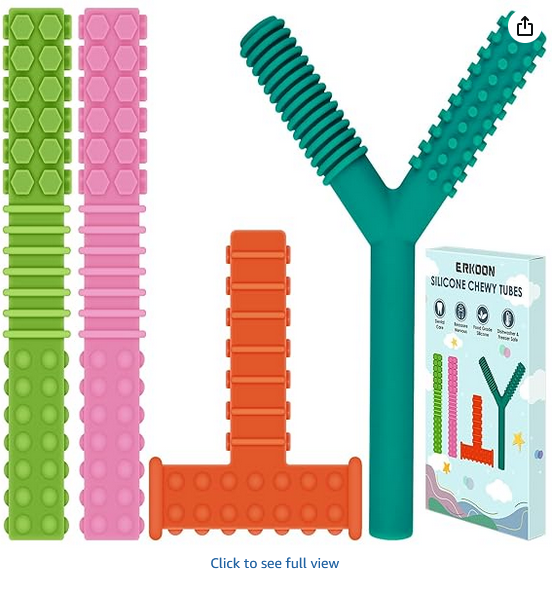
Use matchstick sized foods that help “push” the gage reflex back in the mouth. apples cut into matchsticks, veggie straws, teething wafers, or anything else that the child can safely suck or chew on in the back of the mouth will help to move that reflex back. If your child is reluctant to use food for this, and only wants puree on a spoon or from a pouch, oral motor tools can help. We’d recommend anything textured, and with several different options of textures so the child has control over what they put in their mouth, and progress at their own pace. We’ve linked some of our favorite oral motor tools below:
Sensory-based gagging may happen when:
A child is very sensitive to textures
The feel of certain foods triggers a strong reaction
How to Address This
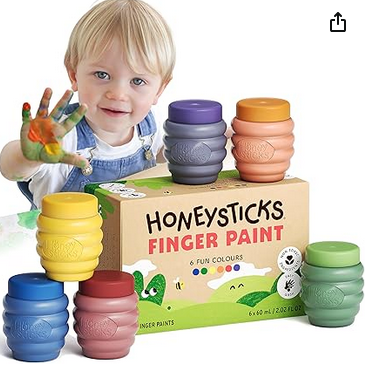
Sensory based gagging can be addressed by slowly adding in different textures throughout your child’s day. Some of the best improvement with feeding can happen while your child is playing with sticky slime, or touching sand, grass, and any other complex environmental textures. Starting in a non-eating context can limit anxiety, fear, and stressful sensations around textures before introducing them into foods. Here are some of our favorite sensory experiences that don’t involve food:
How to address this








Gagging looks dramatic, but it’s often part of the learning process.
Your child is not trying to scare you. Their body is learning how to manage food.
Staying calm, offering appropriate textures, and allowing gradual exposure can help build confidence over time.
When to Get Help Urgently
Seek medical care right away if your child:
Coughs, chokes, or turns blue during meals
Has frequent chest infections
Has sudden changes in swallowing
Seems unable to swallow saliva
These are not typical gagging patterns.
The Big Picture
Gagging can be uncomfortable to watch, but it’s often a sign that your child’s body is protecting them while they learn.
Feeding skills grow with practice, support, and time.
If gagging feels frequent, intense, or stressful, feeding specialists can help make meals feel safer and more manageable.
You don’t have to navigate it alone.