Feeding and Autism
Understanding eating differences through a sensory and regulation lens
Many autistic children experience feeding differences. This doesn’t mean something is “wrong,” it means their nervous system processes the world, including food, in a unique way.
Eating is one of the most sensory-heavy activities we do. Texture, smell, taste, temperature, sound, and movement in the mouth all happen at once. For autistic children, this can be intense.
When we understand the why behind feeding differences, we can support kids in ways that feel safer and more respectful.
Why Feeding Can Feel Hard
Autistic children may experience:
Heightened sensory sensitivity
Strong need for predictability
Differences in oral motor coordination
Anxiety around new experiences
Difficulty shifting between activities
Strong body-based responses to stress
Food combines all of these.
Refusal is often communication — not defiance.
Common Feeding Patterns in Autistic Children
Every child is different, but families may notice:
Preference for specific textures (all crunchy, all smooth)
Strong reactions to smells
Foods can’t touch
Brand or packaging preferences
Refusal of mixed foods
Eating the same foods daily
Gagging with new textures
Difficulty sitting at the table
These patterns often relate to sensory processing, motor skills, or regulation.
Sensory Processing and Food
Food can be overwhelming when:
Texture feels unpredictable
Temperature feels extreme
Smell feels strong
Visual appearance feels “wrong”
Sound (like crunching) feels too loud
For a sensory-sensitive child, avoiding food can be a way to feel safe.
Predictability Matters
Many autistic children rely on sameness to stay regulated.
Eating the same foods:
Feels predictable
Reduces uncertainty
Lowers stress
Sudden changes can feel threatening to the nervous system.
Gradual, supported exposure works better than surprise changes.
Oral Motor Skills Can Also Play a Role
Some autistic children have differences in:
Jaw strength
Tongue movement
Coordination for chewing
If eating feels physically hard, kids may avoid foods that require more effort.
Regulation Comes First
A child who is dysregulated is not ready to try new foods.
Before meals, some children benefit from:
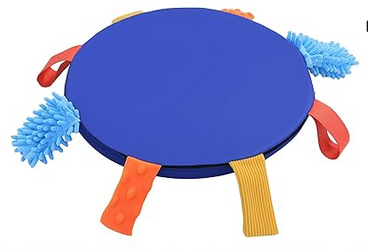
Movement
Deep pressure input
Quiet time
Familiar routines
A calm nervous system makes food exploration more possible.
Helpful Supports
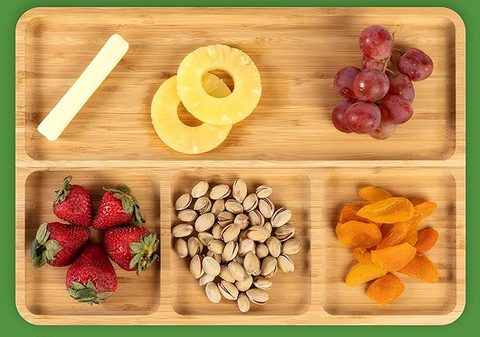
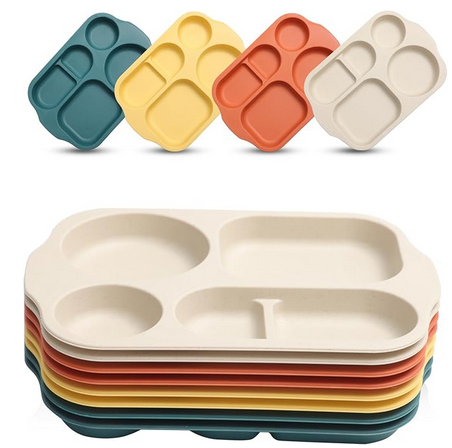
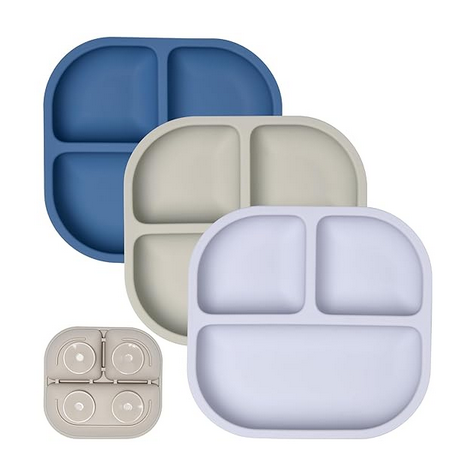
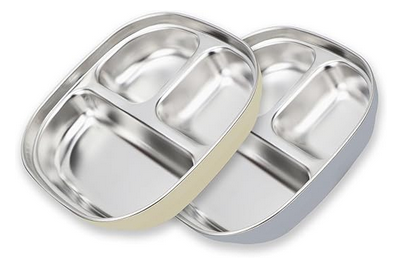
Sectioned Plates
Separating foods can reduce visual and sensory overwhelm. We like these options for the children we serve with autism because they are simple, not visually distracting, and offer opportunities to see new foods without them spilling into the ones next to them. This exposure, even if it’s just visual to start, is a huge step in adding more diverse foods to your child’s list of acceptable foods.
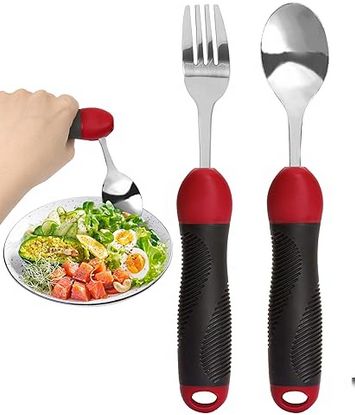
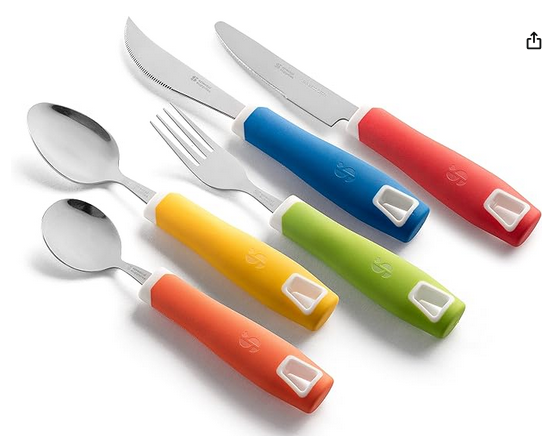
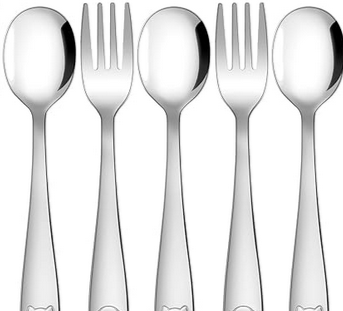
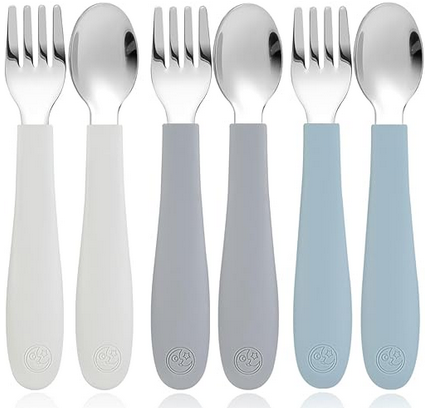
Easy-Grip Utensils
Easier to grip utensils can make self feeding so much more comfortable, especially for our children on the spectrum that are particular about sensation on feel of materials.
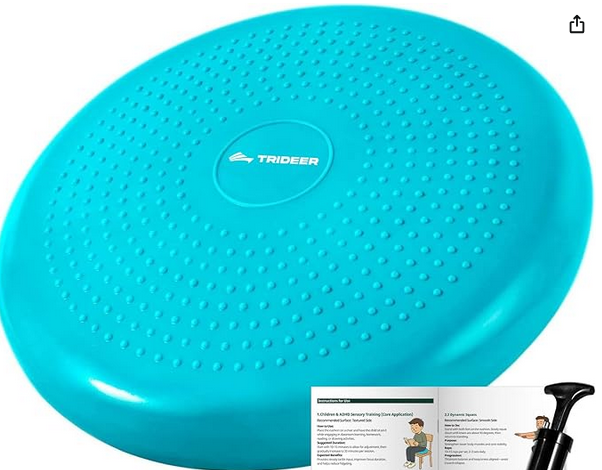
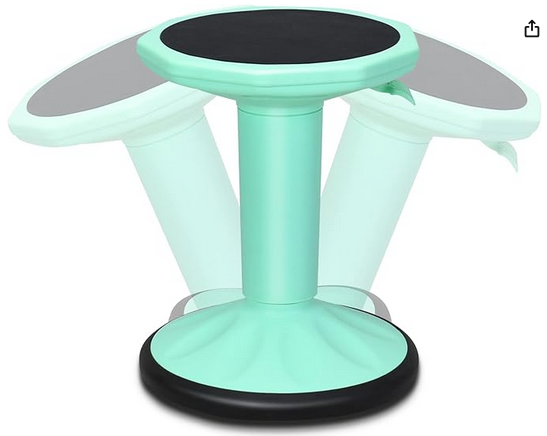
Supportive Seating
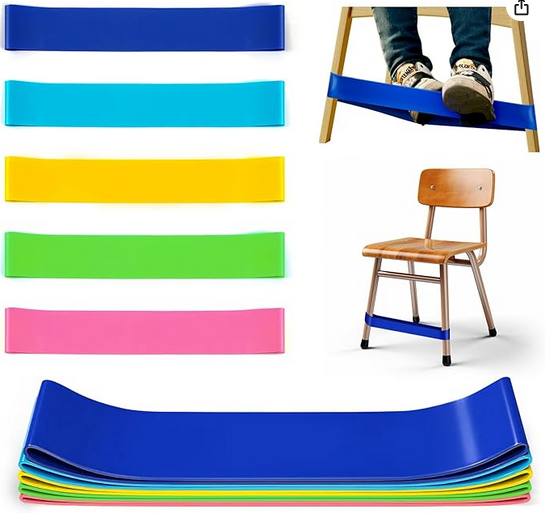
Feet supported, upright posture, and a stable seat can improve both regulation and oral motor control
Predictable Mealtime Setup
Same seat, same plate, similar structure each meal — predictability builds safety.
What Helps (and what can backfire)
Helpful:
✔ Low-pressure exposure
✔ Predictability
✔ Choice within structure
✔ Respecting sensory limits
✔ Building skills gradually

Often backfires:
✖ Forcing bites
✖ Surprise foods
✖ Removing safe foods
✖ Shaming or bribing
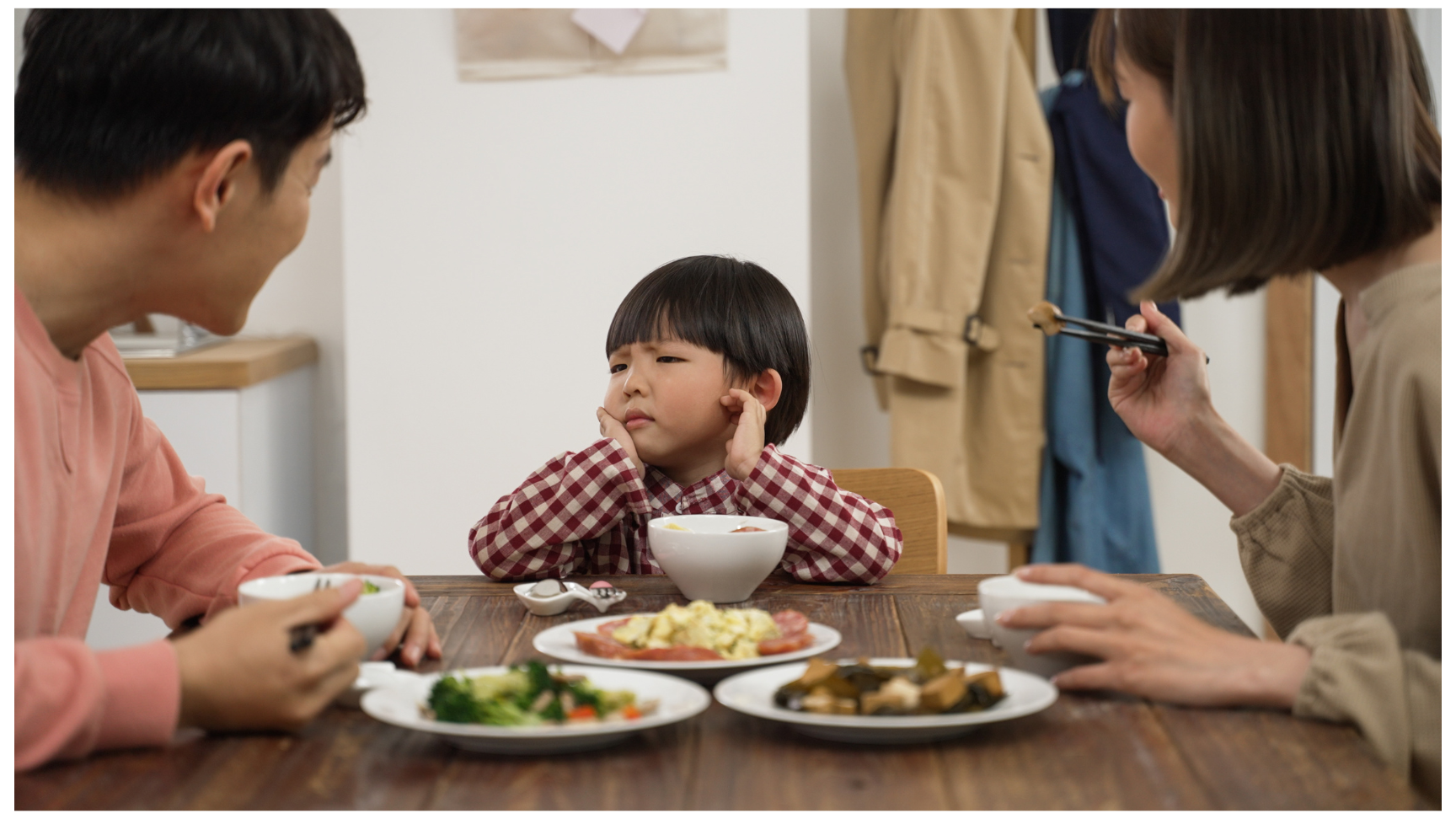
Pressure increases stress — and stress reduces eating.
When Extra Support Helps
Feeding therapy may be helpful if:
Food variety is extremely limited
Gagging is frequent
Meals are very stressful
Chewing skills seem hard
Growth or nutrition is a concern
Therapists often focus on sensory support, motor skills, and family routines.
The Big Picture
Food preferences, routines, and sensory needs are part of how autistic children navigate the world.
The goal isn’t to erase differences, it’s to expand comfort, safety, and participation while respecting who the child is.
Feeding differences in autism are not about behavior. They’re about sensory processing, motor skills, anxiety, and regulation.
When we understand the nervous system, we can respond with support instead of pressure.
Safety first. Skills follow.